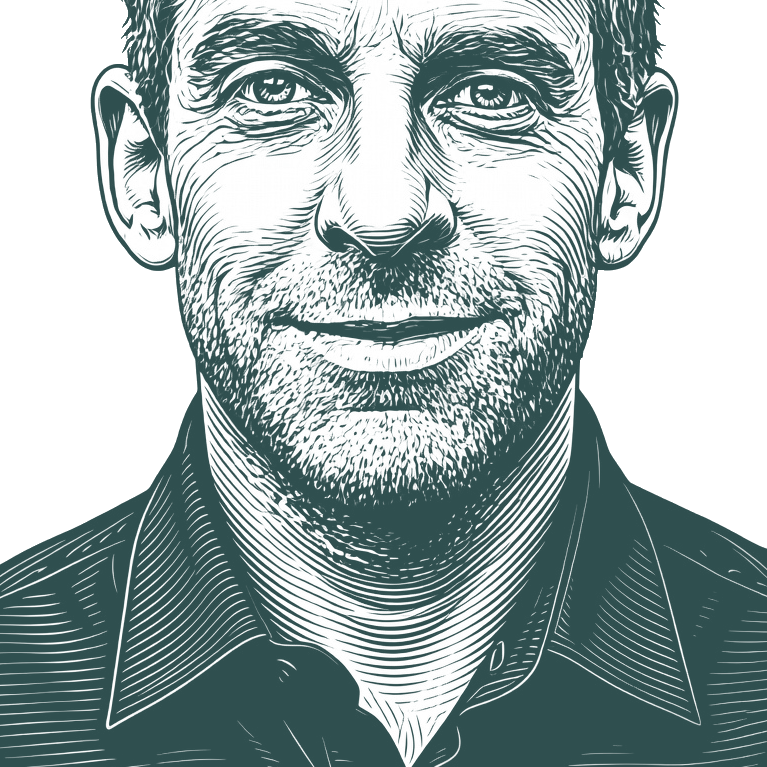
It is terrible that we all die and lose everything we love; it is doubly terrible that so many human beings suffer needlessly while alive. That so mu… - Sam Harris
""
It is terrible that we all die and lose everything we love; it is doubly terrible that so many human beings suffer needlessly while alive. That so much of this suffering can be directly attributed to religion — to religious hatreds, religious wars, religious taboos, and religious diversions of scarce resources — is what makes the honest criticism of religious faith a moral and intellectual necessity. Unfortunately, expressing such criticism places the nonbeliever at the margins of society. By merely being in touch with reality, he appears shamefully out of touch with the fantasy life of his neighbors.
Samuel Benjamin Harris (born April 9, 1967) is an American author, philosopher, public intellectual, and neuroscientist, as well as the co-founder and CEO of Project Reason. He is the author of The End of Faith (2004), which won the PEN/Martha Albrand Award for First Nonfiction in 2005 and appeared on The New York Times best seller list for 33 weeks, Letter to a Christian Nation (2006), The Moral Landscape (2010), Lying (2011), Free Will (2012), and most recently Waking Up: A Guide to Spirituality Without Religion (2014).
Biography information from
Wikiquote·
Portrait adapted from
Wikimedia Commons, Cmichel67 (Christopher Michel) (CC BY-SA)
The principal tenet of Jainism is non-harming. Observant Jains will literally not harm a fly. Fundamentalist Jainism and fundamentalist Islam do not have the same consequences, neither logically nor behaviorally.
One of the most pernicious effects of religion is that it tends to divorce morality from the reality of human and animal suffering. Religion allows people to imagine that their concerns are moral when they are not — that is, when they have nothing to do with suffering or its alleviation. Indeed, religion allows people to imagine that their concerns are moral when they are highly immoral — that is, when pressing these concerns inflicts unnecessary and appalling suffering on innocent human beings.
Works in ChatGPT, Claude, or Any AI
Add semantic quote search to your AI assistant via MCP. One command setup.
The mind is a bundle of thoughts. The thoughts arise because there is the thinker. The thinker is the ego. The ego, if sought, will automatically vanish.