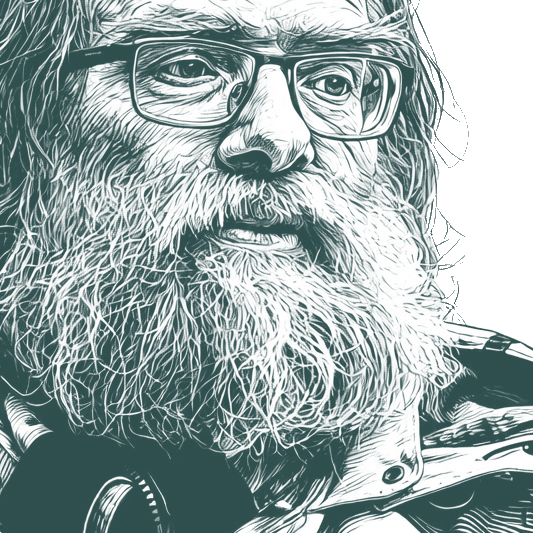
This first volume also contains a list of over 200 temples destroyed in Bandgladesh in November 1989 under pretext of protest against the Shilanyas (… - Koenraad Elst
""
This first volume also contains a list of over 200 temples destroyed in Bandgladesh in November 1989 under pretext of protest against the Shilanyas (laying of the first stone) ceremony of the prospective Rama temple in Ayodhya. Muslims have raised a hue and cry over the demolition of the Babri Masjid (which they had not used since decades), but few outsiders seem to realize that destruction of the religious places of minorities is a routine affair in Islamic states...
Koenraad Elst (born 7 August 1959) is a Flemish right wing Hindutva author, known primarily for his support of the Out of India theory and the Hindutva movement. Scholars have accused him of harboring Islamophobia.
Ambedkar was a nationalist, and he saw through the anti-national, colonial inspiration of the Aryan Invasions theory (which the British called the furniture of Empire).
The concomitant archaeological evidence is rarely of human massacres, as the Hindu victims were not buried; if at all given a funeral, it was cremation, thus “destroying the evidence”. But demolished forts, burned cities and temples levelled or replaced with mosques are ten a penny. Many more deserve to be inventorized, but with those we know, we already get a fair idea of the magnitude of the Islamic destruction. Historians and archaeologists have their work cut out for them in tabulating more than a millennium of Islamic destruction across a whole subcontinent, especially after half a century of willful neglect of this dimension of India’s history.
PREMIUM FEATURE
Advanced Search Filters
Filter search results by source, date, and more with our premium search tools.
Thus, to depict Rama as a virile warrior was a sin against Hinduism, an imitation of colonialist virility myths, a betrayal of the feminine passivity of genuine Hinduism. Or, to organize the Hindu religious personnel on a common platform (the Dharma Sansad, more or less 'religious parliament') is an un-Hindu imitation of the Bishops' Synod in the Catholic Church. Or, to alert the Hindus against Muslim or Christian conversion campaigns is an abandonment of the cheerful Hindu indifference to sectarian name-tags, the only thing which really changes upon conversion. Indeed, anything that could play a role in upholding and preserving Hinduism was found to be un-Hindu, while anything that could make or keep Hinduism defenceless and moribund, was glorified as true Hinduism. Anything that smacked of vitality and the will to survive was dubbed 'Semitic'.