Le Zen sous-entend que l'on suive e mouvement de la vie, sans valoir ni l'arrêter ni interrompre son cours. C'est la raison pour laquelle on le défin… - Alan Watts
""
Le Zen sous-entend que l'on suive e mouvement de la vie, sans valoir ni l'arrêter ni interrompre son cours. C'est la raison pour laquelle on le définit quelquefois comme « un chemin sans détours », ou un « le fait d'aller droit devant soi ». Une telle attitude suppose une compréhension immédiate des choses en tant que vie et mouvement et non simplement en tant que sensations et concepts, lesquels ne sont que les symboles morts d'une réalité vivante. POur cette raison, Takuan commente l'arte de l'escrime (kendo) — un art profondément imprégné des principes zen — en ces termes:
« Cette qualité, qu'on peut désigner par l'attitude mentale de ''non-ingérence'', constitue l'élément le plus vital tant dans l'art de l'escrime, que dans le Zen. Si deux actions sont distantes, même de l'épaisseur d'un cheveu, il y a interruption. »
Lorsqu'on tape dans ses mains, le son se dégage immédiatement. Le son n'attend, ni ne pense avant de sortir. Il n'y a aucun état intermédiaireL un mouvement succède à un autre, sans l'intervention du mental conscient. Si vous êtes indécis et si vous réfléchissez à ce qu'il convient de faire, au moment où votre adversaire est prêt à vous abattre, vous lui laissez la place, c'est-à-dire la possibiliité de vous porter un coup fatal. Que votre défense suive l'attaque, sans intervalle, et il n'y aura pas deux mouvements séparés appelés attaque et défense.
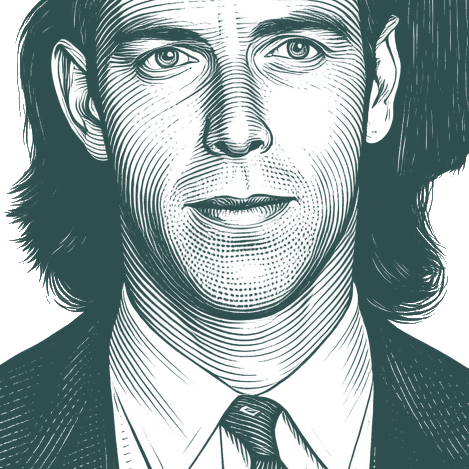
Alan Wilson Watts (6 January 1915 – 16 November 1973) was an English philosopher, writer, speaker, and expert in comparative religion.
Biography information from
Wikiquote·
Portrait adapted from
Wikimedia Commons, The University of Vermont Alumni Magazine vol. 39 no. 01, p. 22. (Public domain / CC0)
Also Known As
Alternative Names:
Alan Wilson Watts
•
Alan W. Watts
One can only attempt a rational, descriptive philosophy of the universe on the assumption that one is totally separate from it. But if you and your thoughts are part of this universe, you cannot stand outside them to describe them. This is why all philosophical and theological systems must ultimately fall apart.
To “know” reality you cannot stand outside it and define it; you must enter into it, be it, and feel it.
This wave phenomenon is happening on ever so many scales — the fast wave of light, the slower waves of sound — and there are all sorts of other wave processes, such as the beat of the heart; the rhythm of breath, waking, sleeping; the movement of human life from birth to maturity to death. And the slower the wave goes, the more difficult it is to see that the crest and trough are inseparable, and this is how we become persuaded in the game of hide-and-seek. So we see the trough go down, down, down and think it keeps going forever — that it will never rise back up again into a crest. We forget that trough implies crest, and crest implies trough. There is no such thing as pure sound — sound is sound/silence. Light is light/darkness. Light is pulsation — between every light pulse there is the dark pulse.
To succeed is always to fail, in the sense that the more one succeeds at anything, the greater is the need to go on succeeding. To eat is to survive to be hungry.