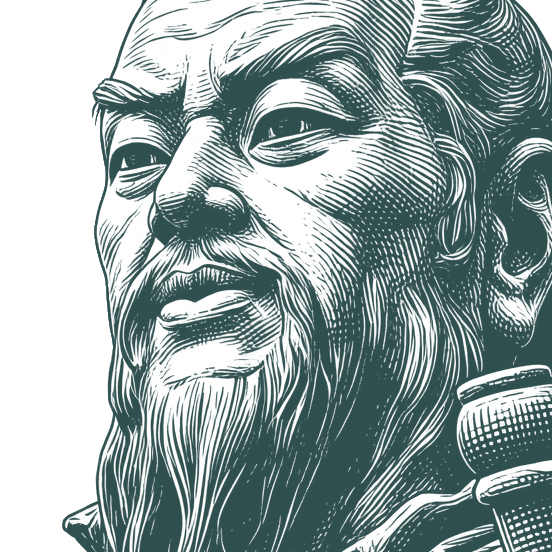
The spot where we intend to fight must not be made known; for then the enemy will have to prepare against a possible attack at several different poin… - Sun Tzu
""
The spot where we intend to fight must not be made known; for then the enemy will have to prepare against a possible attack at several different points;
Sun Tzu (孫子 Sūn Zǐ; c. 6th century BC) was a Chinese general, military strategist, and philosopher who lived in the Eastern Zhou period of ancient China. Sun Tzu is traditionally credited as the author of The Art of War, a widely influential work of military strategy that has affected both Western and East Asian philosophy and military thinking. He is also known as Sun Wu (孫武; Sūn Wǔ), and Chang Qing (長卿; Cháng Qīng).
If you know the enemy and know yourself, your victory will not stand in doubt; if you know Heaven and know Earth, you may make your victory complete.
By method and discipline are to be understood the marshaling of the army in its proper subdivisions, the graduations of rank among the officers, the maintenance of roads by which supplies may reach the army, and the control of military expenditure.
Throw your soldiers into positions whence there is no escape, and they will prefer death to flight. If they will face death, there is nothing they may not achieve. Officers and men alike will put forth their uttermost strength. Soldiers in desperate straits lose the sense of fear. If there is no place of refuge, they will stand firm. If they are in the heart of a hostile country, they will show a stubborn front. If there is no help for it, they will fight hard. Thus, without waiting to be marshaled, the soldiers will be constantly on the alert, and without waiting to be asked, they will do your will; without restrictions, they will be faithful; without giving orders, they can be trusted. Prohibit the taking of omens, and do away with superstitious doubts. Then, until death itself comes, no calamity need be feared.