For fourteen years, the secularists had worked hard to keep the lid on the Ayodhya evidence and they didn’t want some puny radar scanner or muddy-han… - Koenraad Elst
""
For fourteen years, the secularists had worked hard to keep the lid on the Ayodhya evidence and they didn’t want some puny radar scanner or muddy-handed archaeologist to bring the facts to light and thereby expose their mendaciousness.
English
Collect this quote
About
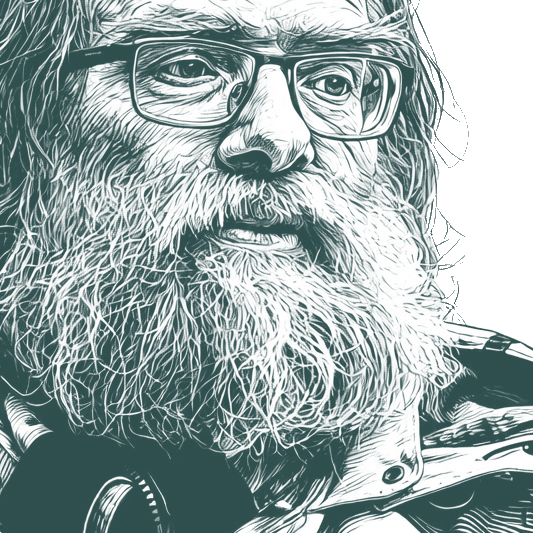
Koenraad Elst
Koenraad Elst (born 7 August 1959) is a Flemish right wing Hindutva author, known primarily for his support of the Out of India theory and the Hindutva movement. Scholars have accused him of harboring Islamophobia.
Irfan Habib is also counting on the readers’ forgetfulness concerning one of the central findings in the ASI report: there was a very large temple, the foundations of which far exceed the circumference of the Babri mosque. He wants us to believe that the pillar-bases were actually the floor of the Babri Masjid, but a large part of the foundations was located outside the confines of the mosque and hence cannot possibly be confused with the mosque floor, except by a highly prejudiced mind.
Hindu Revivalists are glad to quote unsuspect secular sources to confirm their worst misgivings about Muslim demographic aggression from Bangladesh. A 1992 report prepared by B.B. Dutta for the North-Eastern Congress Coordination Committee meeting in Guwahati looked into both types of immigration and notes: "Between 1971 and 1981, Bangladesh census records show a reduction of 39 lakhs in the minority population. "Between 1981-89, 36 lakh religious minorities were missing from that country. "In 1972, there were 7.5 lakh Bihari Muslims in the camps in Dacca. As a result of mediation by Saudi Arabia only 33,000 of them were accepted by Pakistan. At present, there are less than two lakhs in the camps, where have the rest gone? (...)
Try QuoteGPT
Chat naturally about what you need. Each answer links back to real quotes with citations.
At least he is not being misled by gross mistakes, as would be the case with the many flawed contributions on easily the most-consulted source, Wikipedia. That might be a decent source on neutral topics like physics, but on Hindu subjects it is emphatically not recommended by the specialists. Nor is any contributor to the Encyclopedia of Hinduism grossly biased; they are truer to its scholarly ethic of being a neutral and non-controversial source of information. This, again, will come as a pleasant surprise for those who rely too much on Wikipedia, where many topics of serious debate have been hijacked by one of the contending parties, shutting the other’s party’s version out or ridiculing it. In the present case, we are dealing with a real scholarly work.