It is now sixteen or seventeen years since I saw the queen of France, then the dauphiness, at Versailles; and surely never lighted on this orb, which… - Edmund Burke
""
It is now sixteen or seventeen years since I saw the queen of France, then the dauphiness, at Versailles; and surely never lighted on this orb, which she hardly seemed to touch, a more delightful vision. I saw her just above the horizon, decorating and cheering the elevated sphere she just began to move in, — glittering like the morning-star, full of life, and splendor, and joy. Oh! what a revolution! and what a heart must I have, to contemplate without emotion that elevation and that fall! Little did I dream that, when she added titles of veneration to those of enthusiastic, distant, respectful love, that she should ever be obliged to carry the sharp antidote against disgrace concealed in that bosom; little did I dream that I should have lived to see such disasters fallen upon her in a nation of gallant men, in a nation of men of honour and of cavaliers. I thought ten thousand swords must have leaped from their scabbards to avenge even a look that threatened her with insult. — But the age of chivalry is gone. — That of sophisters, economists, and calculators, has succeeded; and the glory of Europe is extinguished forever. Never, never more shall we behold that generous loyalty to rank and sex, that proud submission, that dignified obedience, that subordination of the heart which kept alive, even in servitude itself, the spirit of an exalted freedom. The unbought grace of life, the cheap defence of nations, the nurse of manly sentiment and heroic enterprise, is gone! It is gone, that sensibility of principle, that chastity of honour which felt a stain like a wound, which inspired courage whilst it mitigated ferocity, which ennobled whatever it touched, and under which vice itself lost half its evil by losing all its grossness.
English
Collect this quote
About
Edmund Burke
Edmund Burke (12 January 1729 – 9 July 1797) was a British and Irish statesman and philosopher. Born in Dublin, Burke served as a member of parliament (MP) between 1766 and 1794 in the House of Commons of Great Britain with the Whig Party after moving to London in 1750.
Biography information from
Wikiquote·
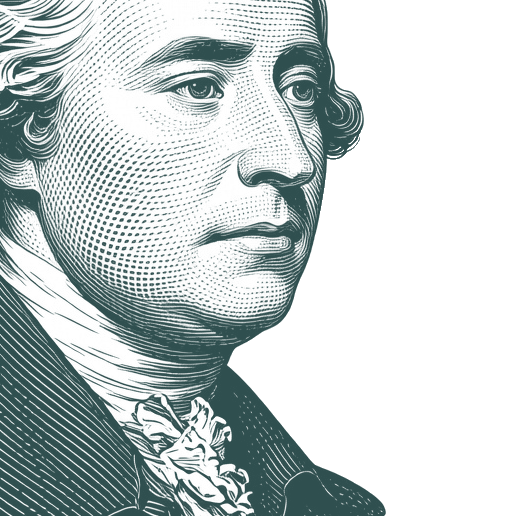
Portrait adapted from
Wikimedia Commons, Joshua Reynolds (Public domain / CC0)
Related quotes. More quotes will automatically load as you scroll down, or you can use the load more buttons.
Shorter versions of this quote
It is now sixteen or seventeen years since I saw the Queen of France, then the Dauphiness, at Versailles; and surely never lighted on this orb, which she hardly seemed to touch, a more delightful vision. I saw her just above the horizon, decorating and cheering the elevated sphere she just began to move in—glittering like the morning star, full of life, and splendor, and joy. Oh! what a Revolution! And what a heart must I have to contemplate without emotion that elevation and that fall! Little did I dream when she added titles of veneration to those of enthusiastic, distant, respectful love, that she should ever be obliged to carry the sharp antidote against disgrace concealed in that bosom; little did I dream that I should have lived to see such disasters fallen upon her in a nation of gallant men, in a nation of men of honor, and of cavaliers. I thought ten thousand swords must have leaped from their scabbards to avenge even a look that threatened her with insult. But the age of chivalry is gone. That of sophisters, economists, and calculators has succeeded; and the glory of Europe is extinguished for ever.
...they who would make peace without a previous knowledge of the terms, make a surrender. They are conquered. They do not treat; they receive the law. Is this the disposition of the people of England? Then the people of England are contented to seek in the kindness of a foreign systematick enemy combined with a dangerous faction at home, a security which they cannot find in their own patriotism and their own courage. They are willing to trust to the sympathy of Regicides the guarantee of the British Monarchy. They are content to rest their religion on the piety of atheists by establishment. They are satisfied to seek in the clemency of practised murderers the security of their lives. They are pleased to confide their property to the safeguard of those who are robbers by inclination, interest, habit, and system. If this be our deliberate mind, truly we deserve to lose, what it is impossible we should long retain, the name of a nation.
You have the representatives of that [Christian] religion which says that their God is love, that the very vital spirit of their institution is charity,—a religion which so much hates oppression, that, when the God whom we adore appeared in human form, He did not appear in a form of greatness and majesty, but in sympathy with the lowest of the people, and thereby made it a firm and ruling principle that their welfare was the object of all government, since the Person who was the Master of Nature chose to appear Himself in a subordinate situation. These are the considerations which influence them, which animate them, and will animate them, against all oppression,—knowing that He who is called first among them, and first among us all, both of the flock that is fed and of those who feed it, made Himself "the servant of all."
Works in ChatGPT, Claude, or Any AI
Add semantic quote search to your AI assistant via MCP. One command setup.
they never thought of entering into any alliance against them; they equally neglected the other obvious method to prevent their incursions, which was, to carry the war into the invaders' country.