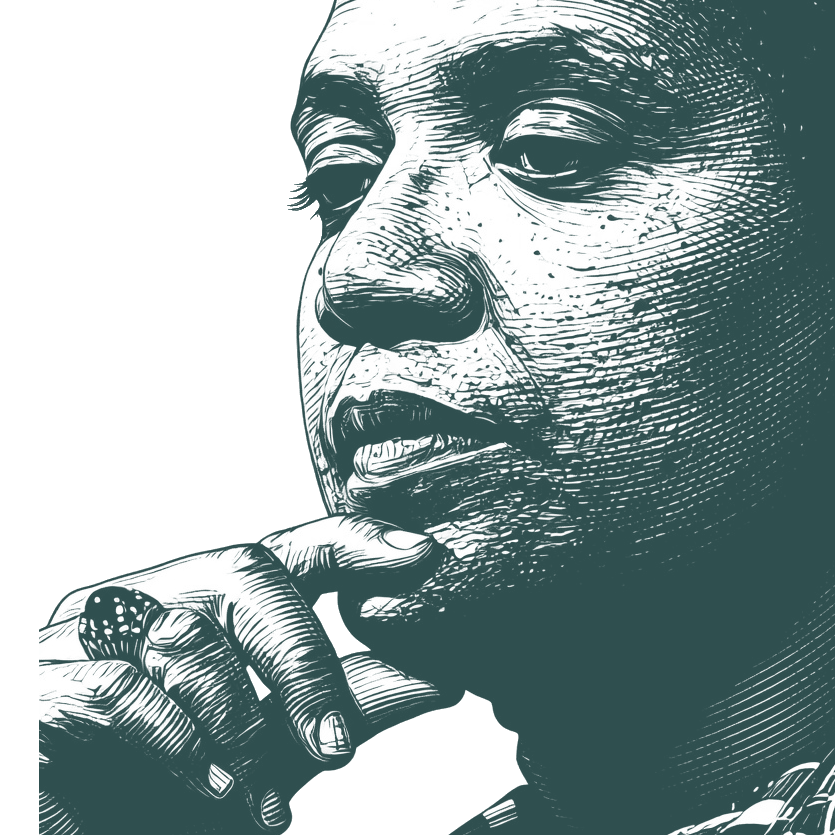
How are you practicing what you preach — whatever you preach, and who exactly is listening? As Malcolm stressed, we are not responsible for our oppre… - Audre Lorde
""
How are you practicing what you preach — whatever you preach, and who exactly is listening? As Malcolm stressed, we are not responsible for our oppression, but we must be responsible for our own liberation. It is not going to be easy, but we have what we have learned and what we have been given that is useful. We have the power those who came before us have given us, to move beyond the place where they were standing. We have the trees, and water, and sun, and our children. Malcolm X does not live in the dry texts of his words as we read them; he lives in the energy we generate and use to move along the visions we share with him. We are making the future as well as bonding to survive the enormous pressures of the present, and that is what it means to be a part of history.
English
Collect this quote
About
Audre Lorde
Audre Geraldine Lorde (18 February 1934 – 17 November 1992) was a black writer, feminist, womanist, lesbian, and civil rights activist. Her poems and prose largely deal with issues related to civil rights, feminism, and the exploration of black female identity.
The 60s for me was a time of promise and excitement, but the 60s was also a time of isolation and frustration from within. [...] It was a time of great hope and great expectation; it was also a time of great waste. That is history. We do not need to repeat these mistakes in the 80s.