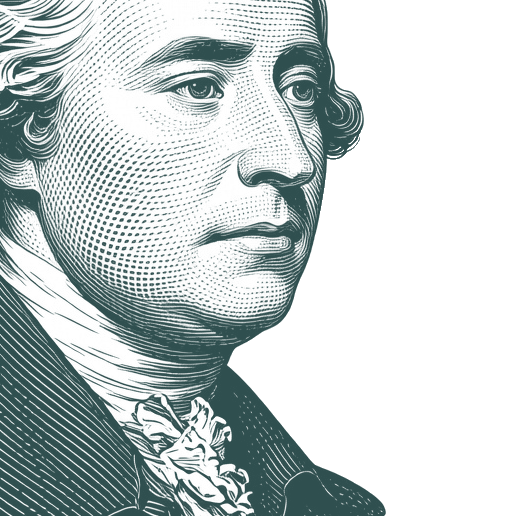
Certainly, Gentlemen, it ought to be the happiness and glory of a representative to live in the strictest union, the closest correspondence, and the … - Edmund Burke
""
Certainly, Gentlemen, it ought to be the happiness and glory of a representative to live in the strictest union, the closest correspondence, and the most unreserved communication with his constituents. Their wishes ought to have great weight with him; their opinions high respect; their business unremitted attention. It is his duty to sacrifice his repose, his /pleasure, his satisfactions, to theirs/, — - and above all, ever, and in all cases, to prefer their interest to his own. But his unbiased opinion, his mature judgement, his enlightened conscience, he ought not to sacrifice to you, to any man, or to any set of men living. These he does not derive from your pleasure, — - no, nor from the law and the Constitution. They are a trust from Providence, for the abuse of which he is deeply answerable. Your Representative owes you, not his industry only, but his judgement; and he betrays, instead of serving you, if he sacrifices it to your opinions.
Edmund Burke (12 January 1729 – 9 July 1797) was a British and Irish statesman and philosopher. Born in Dublin, Burke served as a member of parliament (MP) between 1766 and 1794 in the House of Commons of Great Britain with the Whig Party after moving to London in 1750.
Biography information from
Wikiquote·
Portrait adapted from
Wikimedia Commons, Joshua Reynolds (Public domain / CC0)
The nature of things is, I admit, a sturdy adversary.
Those who have been once intoxicated with power, and have derived any kind of emolument from it, even though but for one year, never can willingly abandon it. They may be distressed in the midst of all their power; but they will never look to any thing but power for their relief.
Go Premium
Support Quotewise while enjoying an ad-free experience and premium features.
All government, indeed every human benefit and enjoyment, every virtue and every prudent act, is founded on compromise and barter. We balance inconveniences; we give and take; we remit some rights, that we may enjoy others; and we choose rather to be happy citizens than subtle disputants.