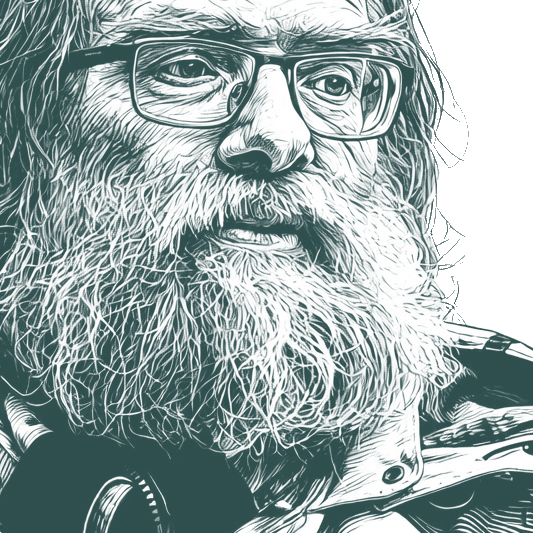
So far, so good: the Sangh is right about the substantial increase in the Muslim percentage of the Indian population. A realistic projection into the… - Koenraad Elst
""
So far, so good: the Sangh is right about the substantial increase in the Muslim percentage of the Indian population. A realistic projection into the future of present demographic (including migratory) trends does predict a Muslim majority in the Subcontinent by the mid-21st century, and a Muslim majority in the Indian Union by the turn of the 22nd century (in some regions much earlier). Though generally correct, this type of calculation is subject to an unkind comparison: the same type of projection occupies the minds of white racists in the USA. They expect that whites will cease to be the majority there by the mid-21st century, and they too are worried and unable to stem the tide. But there are two important differences.
Koenraad Elst (born 7 August 1959) is a Flemish right wing Hindutva author, known primarily for his support of the Out of India theory and the Hindutva movement. Scholars have accused him of harboring Islamophobia.
Moreover, it is a bit rich to call Indian Muslims and Christians "minorities". Not only are they more numerous than the population of many countries (say, Saudi Arabia), but they are only the Indian branch of worldwide movements. They benefit from international financial and media support that the Hindus cannot even dream of.
Note that we need not agree with the Śāstrakāra-s that the varnāśramadharma is truly “Vedic”, for we do not find it in the first nine books of the Rg-Veda. Even in the tenth book, the last and youngest one, we find it mentioned only once, and there only in the vaguest use, viz. the Purusa Sūkta’s recognition of the existence of four functions in society, without any details of how their personnel is recruited nor of how they should conduct themselves vis-à-vis one another, the very stuff that is the main focus of the Śāstra-s. Like medieval and contemporary Hindus, the Śāstra composers may have considered as ”Vedic” everything they held sacred, regardless of whether a particular norm or custom is indeed traceable to the Veda-s.
To take Sikhism as a separate religion, after summarizing its genesis as a sect within the Hindu movement of Nirguna Bhakti (“devotion to the one without qualities”), is another compromise with prevailing opinion. The scholarly but isolating view is that this is simply a Hindu sect.