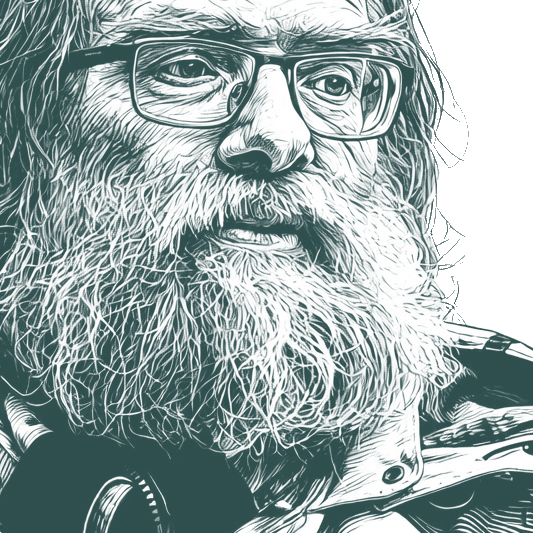
The unacademic attitude of these JNU historians, who are stronger in character assassination than in historical method should make it clear to their … - Koenraad Elst
""
The unacademic attitude of these JNU historians, who are stronger in character assassination than in historical method should make it clear to their critics that there is no reason to feel inhibited when it comes to exposing them. They really deserve to be shown up in public as the impostors they are.
English
Collect this quote
About
Koenraad Elst
Koenraad Elst (born 7 August 1959) is a Flemish right wing Hindutva author, known primarily for his support of the Out of India theory and the Hindutva movement. Scholars have accused him of harboring Islamophobia.
Fact is also that ever since the Ayodhya demolition, there has been a steady series of bomb attacks on RSS/BJP targets (e.g. killing a dozen people in the RSS office in Madras) and murders of BJP office-bearers.
That is just my dissenting opinion, which I don’t conceive of as an “attack”. I find differences of opinion quite normal, the very stuff of intellectual life, and those who can only see them as attacks are not intellectuals.
Go Premium
Support Quotewise while enjoying an ad-free experience and premium features.
Here we meet the problem once more that we just discussed: scholars willfully ignoring the conclusions from related disciplines. Western linguists who support a more westerly Homeland (hence an Aryan invasion from there into India) ignore the findings of Harappan archaeology. The latter only confirms a complete cultural continuity since before the Harappan cities and lasting through their abandonment. It has failed to find a single trace of Aryans entering India. By contrast, in Central Europe, an invasion from the east ca. 2900 BCE, amply attested both by archaeology and by genetics, has been identified with Indo-Europeanization. That is what an “Aryan invasion” looks like, and it is completely missing in India. Yet, of this state of affairs in Harappan archaeology, Western scholars are completely ignorant; or else they fail to draw conclusions from it for their own field.