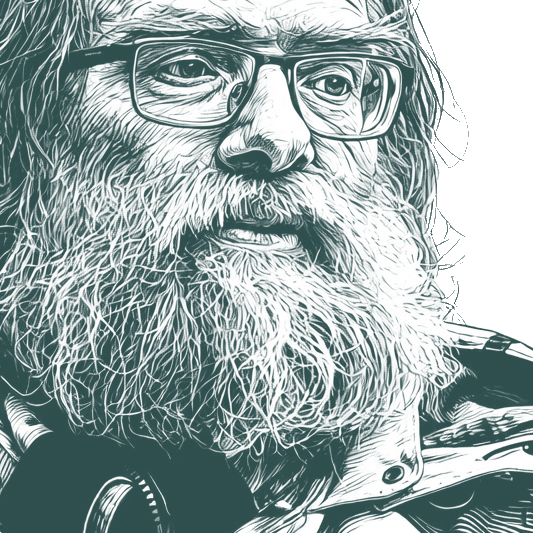
Likewise, in the Central-Indian town of Jhabua, a quarrel among mostly christianized tribals led to the rape of four nuns. With no Hindu nationalists… - Koenraad Elst
""
Likewise, in the Central-Indian town of Jhabua, a quarrel among mostly christianized tribals led to the rape of four nuns. With no Hindu nationalists in sight, the media decided nonetheless that this was an act of Hindu nationalist cruelty against the poor hapless Christian minority. Though the official investigation confirmed the total innocence of the Hindu nationalists in this affair (more details on these and similar cases in Arun Shourie, Harvesting Our Souls, ch.1), their guilt has been consecrated by endless repetition in the media. While the media in India couldn’t prevent the truth from quietly making itself known, the international media have never published a correction, and the story of “four nuns in Jhabua raped by Hindu nationalists” now keeps on reappearing as an evergreen of anti-Hindu hate propaganda.
Koenraad Elst (born 7 August 1959) is a Flemish right wing Hindutva author, known primarily for his support of the Out of India theory and the Hindutva movement. Scholars have accused him of harboring Islamophobia.
It seems that white people on average are quite silly, for most of us have lapped up the version of Indian history propagated by India's "eminent historians" whose eminence results from their toeing the hegemonic party-line rather than from a respect for the data in the primary sources. (305)
Gandhi was gravely mistaken in thinking that you can make the enemy disarm by first disarming yourself. Yet, he was right in setting his sights on peace. Being prepared for war was the right tactic, but its target should have been a bloodless crisis management, not war. Strength should be mustered not to make but to avoid war, the source of many evils. (ch 2 Mahatma Gandhi’s Letters to Hitler)
Enhance Your Quote Experience
Enjoy ad-free browsing, unlimited collections, and advanced search features with Premium.