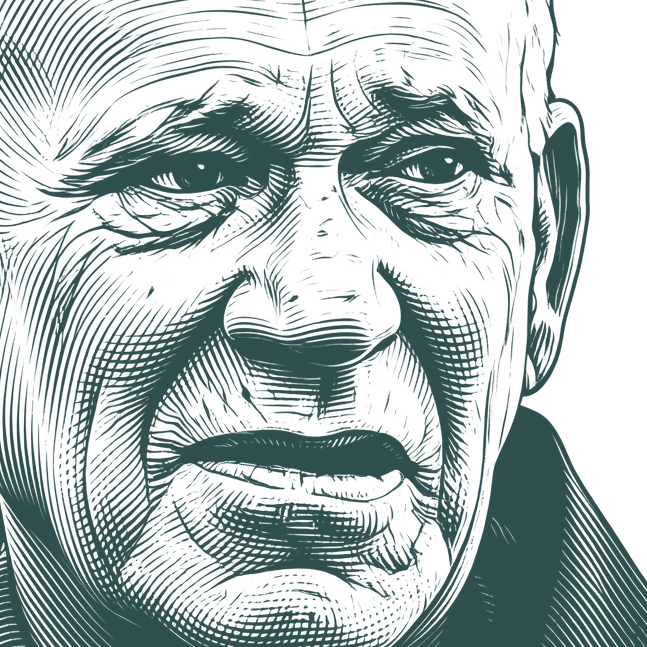
The central task of education is to implant a will and a facility for learning; it should produce not learned but learning people. The truly human so… - Eric Hoffer
""
The central task of education is to implant a will and a facility for learning; it should produce not learned but learning people. The truly human society is a learning society, where grandparents, parents, and children are students together. In a time of drastic change it is the learners who inherit the future. The learned usually find themselves equipped to live in a world that no longer exists.
Eric Hoffer (25 July 1902 – 21 May 1983) was an American writer on social and political philosophy. His first book, The True Believer: Thoughts On The Nature Of Mass Movements (1951) is widely recognized as a classic on mass-movements and the psychological roots of fanaticism. Despite rising to fame with the success and popularity of his writings, he continued to work as a longshoreman until retiring at age 65.
Biography information from
Wikiquote·
Portrait adapted from
Wikimedia Commons, White House of the President of the United States; uploaded to YouTube by TheLBJLibrary (Public domain / CC0)
Portrait from Wikimedia Commons. Credit: White House of the President of the United States; uploaded to YouTube by TheLBJLibrary. Used under Public domain / CC0. Processed and styled by Quotewise.
Enhance Your Quote Experience
Enjoy ad-free browsing, unlimited collections, and advanced search features with Premium.
Related quotes. More quotes will automatically load as you scroll down, or you can use the load more buttons.
Shorter versions of this quote
In times of change, learners inherit the earth, while the learned find themselves beautifully equipped to deal with a world that no longer exists.
In a time of drastic change it is the learners who inherit the future. The learned usually find themselves equipped to live in a world that no longer exists.
I am still tired, and I begin to realize that the cure for tiredness is not rest.
It is precisely because we can never really know ourselves, but only guess, that we are so vehement about the good and the evil ascribed to us by others. In maintaining ourselves against all comers, we are maintaining something that is unknown, uncertain, and never wholly provable. We need a chorus of consent, and we are engaged in an unceasing proselytizing campaign in our own behalf.
Go Premium
Support Quotewise while enjoying an ad-free experience and premium features.
There is, for instance, the fact that there is a greater readiness to work in a society with a high standard of living than in one with a low standard. We are more ready to strive and work for superfluities than for necessities. People who are clear-sighted, undeluded, and sober-minded will not go on working once their reasonable needs are satisfied. A society that refuses to strive for superfluities is likely to end up lacking in necessities. The readiness to work springs from trivial, questionable motives. … A vigorous society is a society made up of people who set their hearts on toys, and who would work for superfluities than for necessities. The self-righteous moralists decry such a society, yet it is well to keep in mind that both children and artists need luxuries more than they need necessities.