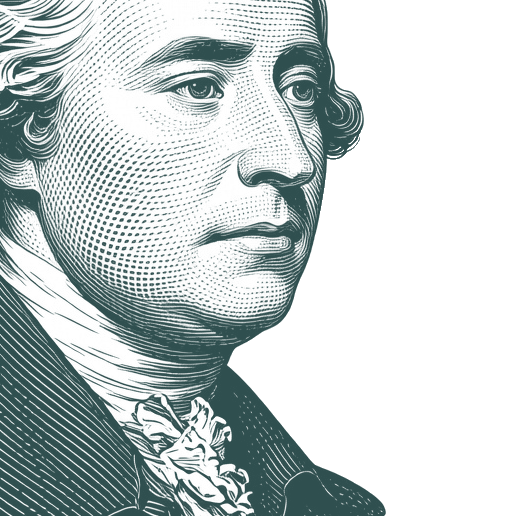
A great profusion of things, which are splendid or valuable in themselves, is magnificent. The starry heaven, though it occurs so very frequently to … - Edmund Burke
""
A great profusion of things, which are splendid or valuable in themselves, is magnificent. The starry heaven, though it occurs so very frequently to our view, never fails to excite an idea of grandeur. This cannot be owing to the stars themselves, separately considered. The number is certainly the cause. The apparent disorder augments the grandeur, for the appearance of care is highly contrary to our idea of magnificence. Besides, the stars lie in such apparent confusion, as makes it impossible on ordinary occasions to reckon them. This gives them the advantage of a sort of infinity.
Edmund Burke (12 January 1729 – 9 July 1797) was a British and Irish statesman and philosopher. Born in Dublin, Burke served as a member of parliament (MP) between 1766 and 1794 in the House of Commons of Great Britain with the Whig Party after moving to London in 1750.
Biography information from
Wikiquote·
Portrait adapted from
Wikimedia Commons, Joshua Reynolds (Public domain / CC0)
...if the Catholick religion is destroyd by the Infidels, it is a most contemptible and absurd Idea, that, this, or any Protestant Church, can survive that Event. ... in Ireland particularly, the R[oman] C[atholic] Religion should be upheld in high respect and veneration. ... I am more serious on the positive encouragement to be given to this religion...because the serious and earnest belief and practice of it by its professors forms, as things stand, the most effectual Barrier, if not the sole Barrier, against Jacobinism.
[M]en must be governed by those laws which they love. Where thirty millions are to be governed by a few thousand men, the government must be established by consent, and must be congenial to the feelings and to the habits of the people. That which creates tyranny is the imposition of a form of government contrary to the will of the governed: and even a free and equal plan of government, would be considered as despotic by those who desired to have their old laws and their ancient system.
Unlimited Quote Collections
Organize your favorite quotes without limits. Create themed collections for every occasion with Premium.
Corrupt influence, which is itself the perennial spring of all prodigality, and of all disorder; which loads us, more than millions of debt; which takes away vigor from our arms, wisdom from our councils, and every shadow of authority and credit from the most venerable parts of our constitution.