English writer and lexicographer (1709–1784)
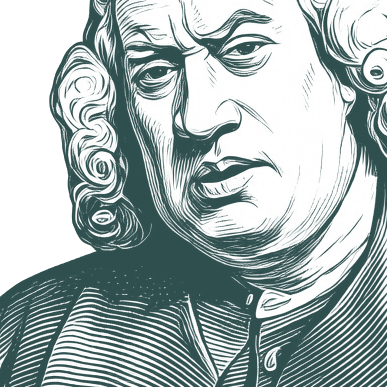
Samuel Johnson (18 September 1709 [7 September O.S.] – 13 December 1784) was a British author, linguist and lexicographer. He is often referred to as simply Dr. Johnson in the history of literature and is regarded as the greatest man of letters in English history.
Bio from: Wikiquote (CC BY-SA 4.0) · Portrait adapted from: Wikimedia Commons, Joshua Reynolds (Public domain / CC0)
From Wikidata (CC0)

He who has nothing external that can divert him must find pleasure in his own thoughts, and must conceive himself what he is not; for who is pleased with what he is? He then expiates in boundless futurity, and culls from all imaginable conditions that which for the present moment he should most desire, amuses his desires with impossible enjoyments, and confers upon his pride unattainable dominion. The mind dances from scene to scene, unites all pleasures in all combination, and riots in delights which nature and fortune, with all their bounty, cannot bestow.
In time some particular train of ideas fixes the attention; all other intellectual gratifications are rejected; the mind, in weariness or leisure, recurs constantly to the favorite conception, and feasts on the luscious falsehood whenever she is offended with the bitterness of truth. By degrees the reign of fancy is confirmed; she grows first imperious, and in time despotic. Then fictions begin to operate as realities, false opinions fasten upon the mind, and life passes in dreams of rapture or of anguish.
The student who would build his knowledge on solid foundations, and proceed by just degrees to the pinnacles of truth, is directed by the great philosopher of France to begin by doubting of his own existence. In like manner, whoever would complete any arduous and intricate enterprise, should, as soon as his imagination can cool after the first blaze of hope, place before his own eyes every possible embarrassment that may retard or defeat him. He should first question the probability of success, and then endeavour to remove the objections that he has raised.