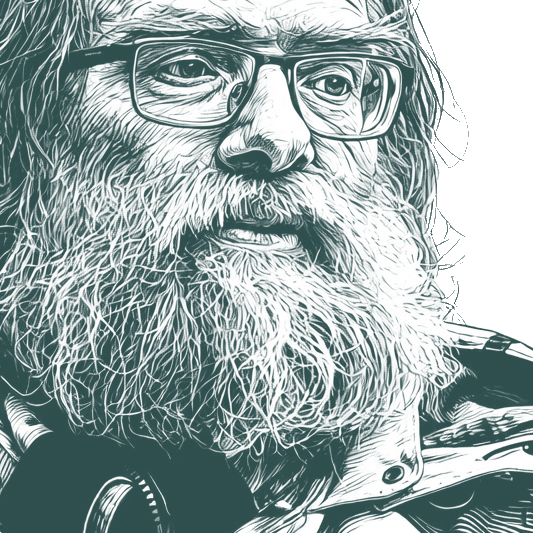
Now that our mythographer has gone off track, he extemporizes all at once about “White Knights” with a “Hindutva obsession”, opposing “multiple truth… - Koenraad Elst
""
Now that our mythographer has gone off track, he extemporizes all at once about “White Knights” with a “Hindutva obsession”, opposing “multiple truths” and waging a “Crusade against Muslims”, out to “dehumanise” the opposition. Here I confess, I simply can’t keep up with his cannonade. I think he is referring to himself when he speaks of “rejecting the model of conversation”.
Koenraad Elst (born 7 August 1959) is a Flemish right wing Hindutva author, known primarily for his support of the Out of India theory and the Hindutva movement. Scholars have accused him of harboring Islamophobia.
One such secularist, a modern man ready to deal with the matter pragmatically, was Rajiv Gandhi. He allowed the Hindus to prepare for the construction of a new temple with the ceremonial laying of a foundation stone (shilanyas) on November 9, 1989. He pressured the Chandra Shekhar government, which was dependent on Congress support, into organizing the scholars’ debate about the historical evidence, in the full knowledge that the temple party would win such a debate hands down. The thrust of his Ayodhya policy was to buy off Muslim acquiescence with some of the usual currency of the Congress culture: maybe nominating a few more Mians as ministers, banning a few Islam-unfriendly books (hence the Satanic Verses affair), raising the Hajj subsidy, providing cheap loans to the Shahi Imam’s constituency, donating government land for some Islamic purpose, things like that. Meanwhile, Hindus would get their temple. Muslims would have scolded their leaders for selling out, Hindus would have lambasted theirs for cheapening a noble cause with such horse-trading, but in the end, everybody would have accepted it....Whatever may be said about and against Rajiv Gandhi, he had the calibre and the cool secular distance from religious passions to see such a policy through....But in 1991 India’s top pilot was killed, and worse, in his years as India’s most important politician, dark forces had started fighting his reasonable and pragmatic policy tooth and nail. The problem was not with the obscurantist Mullahs, because in those days, a seasoned Congress leader knew how to strike win-win deals with them. The poison issued from the secularist intellectuals who raised a media storm against the historical consensus, the one factual certainty underlying all the political confusion. Their stance hardened Muslim intransigence, emboldened the Left in its anti-Hindu strategy and created international public opinion against the temple plan...
Indeed, the best appreciation of Nehruvian secularism is that it is the incomprehending tourist view of India’s religions.
Go Premium
Support Quotewise while enjoying an ad-free experience and premium features.
It cannot be denied that Gandhian non-violence has a few successes to its credit. But these were achieved under particularly favourable circumstances: the stakes weren't very high and the opponents weren't too foreign to Gandhi's ethical standards.