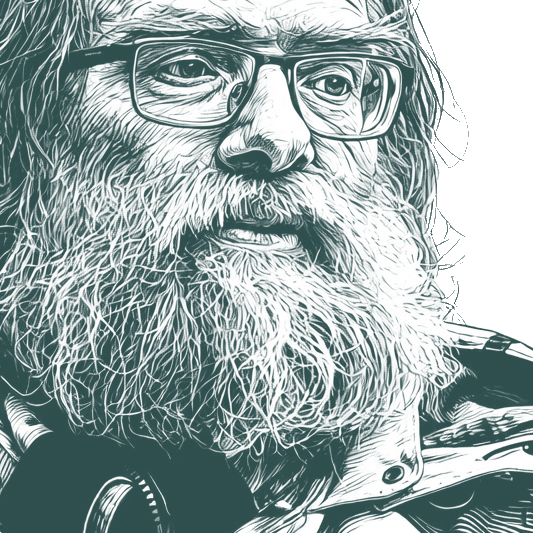
We have looked into the pro and contra of some prima facie indications for an OIT of IE expansion. Probably none of these can presently be considered… - Koenraad Elst
""
We have looked into the pro and contra of some prima facie indications for an OIT of IE expansion. Probably none of these can presently be considered as decisive evidence against the AIT. But at least it has been shown that the linguistic evidence surveyed does not necessitate the AIT either. One after another, the classical proofs of a European origin have been discredited, usually by scholars who had no knowledge of or interest in an alternative Indian homeland theory.
English
Collect this quote
About
Koenraad Elst
Koenraad Elst (born 7 August 1959) is a Flemish right wing Hindutva author, known primarily for his support of the Out of India theory and the Hindutva movement. Scholars have accused him of harboring Islamophobia.
Academics are often far ahead of the rest in forging contrived explanations for simple facts, but in this case, even the meanest politician mouths the artful delusion that 'terrorists have no religion'.”
Admittedly, a Muslim lobby had been formed which insisted on reoccupying this Hindu sacred site. However, the existing Congress culture notoriously knew how to deal with such problems: give the Muslim lobbyists some ministerial posts, some public largesse for their institutes or a raise in the Hajj subsidies, and they will come around. A small application of this approach was the annulment of Syed Shahabuddin's announced march on Ayodhya in 1988 in exchange for the governmental ban on Salman Rushdie's freshly-released book The Satanic Verses. A similar but bigger concession might have annulled the Muslim claim on the Ayodhya site. It would not have been the most principled policy, but it would have avoided a lot of communal blood-letting.
Try QuoteGPT
Chat naturally about what you need. Each answer links back to real quotes with citations.
This assumption of Christian categories is typical of “Nehruvian secularism”, the state ideology in India and in the South-Asian Studies departments of the West.