To Epictetus, all external events are determined by fate, and are thus beyond our control, but we can accept whatever happens calmly and dispassionat… - Epictetus
""
To Epictetus, all external events are determined by fate, and are thus beyond our control, but we can accept whatever happens calmly and dispassionately. Individuals, however, are responsible for their own actions which they can examine and control through rigorous self-discipline. Suffering arises from trying to control what is uncontrollable, or from neglecting what is within our power. As part of the universal city that is the universe, human beings have a duty of care to all fellow humans. The person who followed these precepts would achieve happiness.
Epictetus (c. 55 – c. 135 AD), born a slave, was a Greek Stoic philosopher. His words were recorded by his student Arrian in the Discourses and Enchiridion written in the early 2nd-century.
Biography information from
Wikiquote·
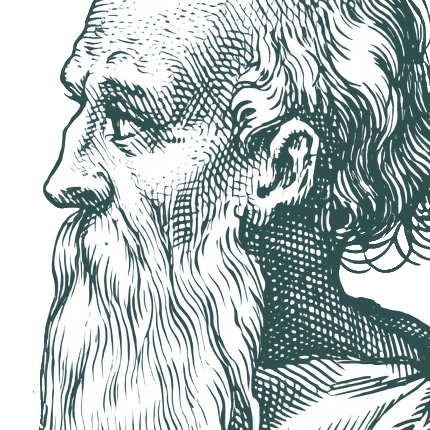
Portrait adapted from
Wikimedia Commons, Theodoor Galle (Public domain / CC0)
Also Known As
Native Name:
ΕΠΙΚΤΗΤΟΣ
Alternative Names:
Epictetus of Hierapolis
•
Epiktetos
If you pin your hopes on things outside your control, taking upon yourself things which rightfully belong to others, you are liable to stumble, fall, suffer, and blame both gods and men. But if you focus your attention only on what is truly your own concern, and leave to others what concerns them, then you will be in charge of your interior life. No one will be able to harm or hinder you. You will blame no one, and have no enemies.
Whenever someone helps or hinders you, or praises or criticizes you, remember that they see you only through the lens of their own impressions. If they act or speak from a warped perspective, they hurt themselves — not you.
Works in ChatGPT, Claude, or Any AI
Add semantic quote search to your AI assistant via MCP. One command setup.