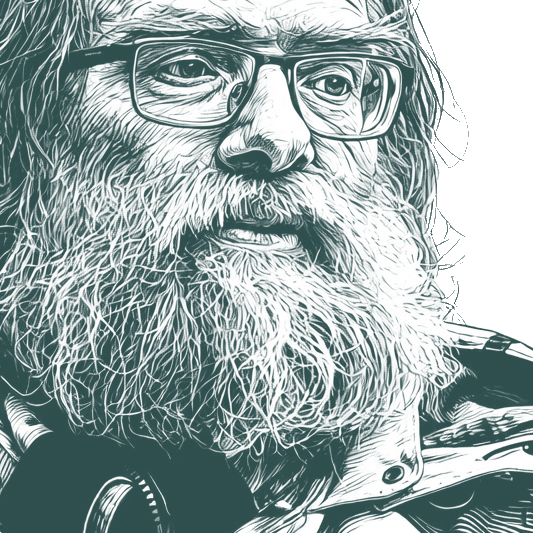
In the Hindu sphere of influence, by contrast, this kind of sobriety and intellectual discipline is the exception rather than the rule. Serious integ… - Koenraad Elst
""
In the Hindu sphere of influence, by contrast, this kind of sobriety and intellectual discipline is the exception rather than the rule. Serious integrated teaching of Vedic tradition is as yet available only on the margin, as in the Arsha Vidya Gurukulam. (115)
English
Collect this quote
About
Koenraad Elst
Koenraad Elst (born 7 August 1959) is a Flemish right wing Hindutva author, known primarily for his support of the Out of India theory and the Hindutva movement. Scholars have accused him of harboring Islamophobia.
Colonial scholars in the heyday of racial theory understood this as 'skin colour', and the caste system as a kind of Apartheid... However the projection of the colonial situation onto the ancient past has by now been thoroughly refuted...
Christianity’s self-righteousness due to a belief in being the sole possessors of the truth, and the consequent contempt for non-Christians, a far more negative attitude than anything the Pagans could muster; or in other words, the unmatched power of hatred; as well as the consequent importance they attach to religious identity, which means the pressure to convert in a mixed marriage is usually on the Pagan partner.
Go Premium
Support Quotewise while enjoying an ad-free experience and premium features.
The ideal of Pakistan was launched by Iqbal in 1930, and in 1940 it became the official political goal of the Muslim League. has often been described as the cradle of Pakistan. From their better knowledge of and appreciation for modern culture, the Aligarh thinkers accepted the modern value of religious tolerance. Not to the extent that they would be willing to co-exist with the Hindus in a single post-colonial state, but at least to this extent that they wanted to do something about the image of intolerance which Islam had come to carry. Around 1920 Aligarh historian Mohammed Habib launched a grand project to rewrite the history of the Indian religious conflict.