Colonial scholars in the heyday of racial theory understood this as 'skin colour', and the caste system as a kind of Apartheid... However the project… - Koenraad Elst
""
Colonial scholars in the heyday of racial theory understood this as 'skin colour', and the caste system as a kind of Apartheid... However the projection of the colonial situation onto the ancient past has by now been thoroughly refuted...
English
Collect this quote
About
Koenraad Elst
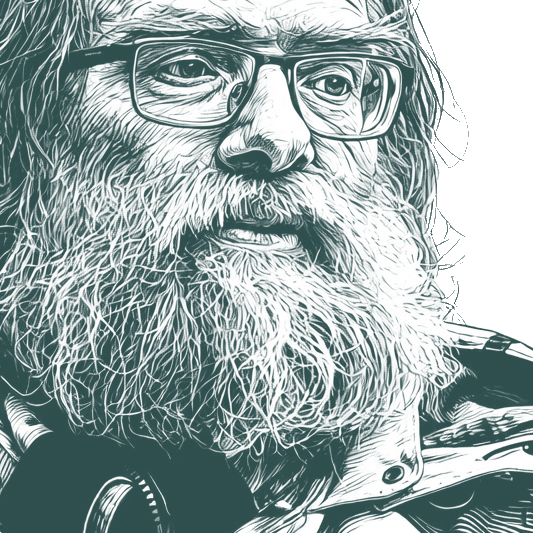
Koenraad Elst (born 7 August 1959) is a Flemish right wing Hindutva author, known primarily for his support of the Out of India theory and the Hindutva movement. Scholars have accused him of harboring Islamophobia.
Conversely, banning this book would send a signal that the present establishment will do what it can to prevent Hinduism from rising up, from regaining self-confidence, from facing the challenge of hostile ideologies.
Most non-academic readers will be surprised to hear it, but the ruling convention among India-watchers is to have and express a fierce hatred of Hinduism. “South-Asian Studies” is one of the rare disciplines where the so-called experts actively work for the destruction of their major object of study. So, the one and only way of making the study of Śaiva Tantra respectable, and to be seen practising it, is to distance it as far as possible from “Hinduism”.
PREMIUM FEATURE
Advanced Search Filters
Filter search results by source, date, and more with our premium search tools.