This new Marxist line of anti-Hindu argument deserves closer scrutiny as a case study into the power of tenacious manipulation in influencing public … - Koenraad Elst
""
This new Marxist line of anti-Hindu argument deserves closer scrutiny as a case study into the power of tenacious manipulation in influencing public discourse. (200)
English
Collect this quote
About
Koenraad Elst
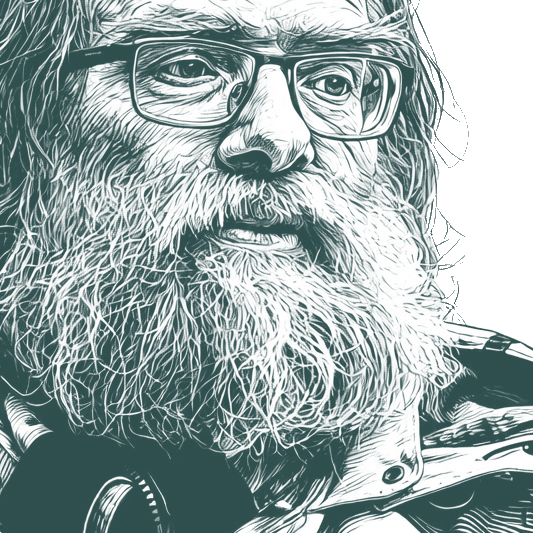
Koenraad Elst (born 7 August 1959) is a Flemish right wing Hindutva author, known primarily for his support of the Out of India theory and the Hindutva movement. Scholars have accused him of harboring Islamophobia.
That is just my dissenting opinion, which I don’t conceive of as an “attack”. I find differences of opinion quite normal, the very stuff of intellectual life, and those who can only see them as attacks are not intellectuals.
The true story has been explained threadbare long ago, but for poor listeners like Mr. Engineer, we may repeat that Lal’s excavation focused on the ancient period and that from the viewpoint of Ramayana studies, the medieval layer with its unmistakable temple foundations was indeed devoid of much interest. The discovery of temple remains was nothing unexpected or controversial at the time, given the consensus (still prevalent in the late 1970s) on the site’s known history of Islamic iconoclasm. Yet, after the normal bureaucratic and human-inertial delays, as the 1980s were advancing, the ASI started deliberately postponing the formal publication of Lal’s findings because secularist opinion had started mobilizing against the longstanding historical consensus. The reason for the endless procrastination must have been the same reason why the court case has been dragging on for decades: fear of getting involved in controversy, particularly one where the facts would force a stance favoured by the Hindu side. In other words, fear of being demonized by the secularist establishment with its bloodhound attitude towards dissent.
Try QuoteGPT
Chat naturally about what you need. Each answer links back to real quotes with citations.
He would like to impute his own conformism with the dominant school of thought to a jaundiced perception caused by sour grapes. Note again that I have given no occasion for this, it is entirely in the eye of the beholder.