In writing about India, it is all too common to starkly ignore the Hindu voice. .... The only Hinduism which they like is museum Hinduism; any Hindui… - Koenraad Elst
""
In writing about India, it is all too common to starkly ignore the Hindu voice. .... The only Hinduism which they like is museum Hinduism; any Hinduism that displays a will to survive is treated with the same horror that would be aroused if a mummy were to show signs of life. (p. 73-74)
English
Collect this quote
About
Koenraad Elst
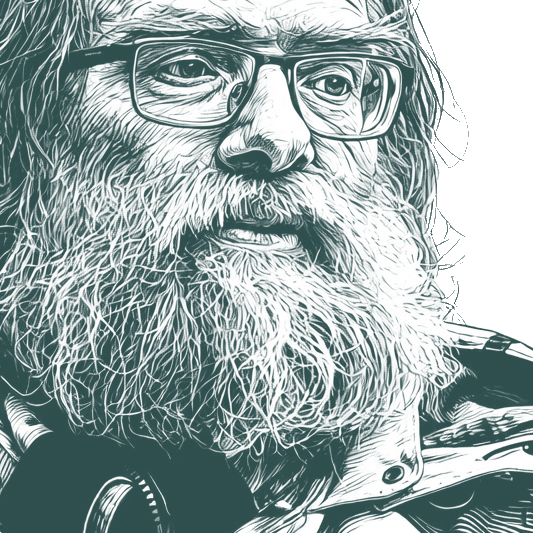
Koenraad Elst (born 7 August 1959) is a Flemish right wing Hindutva author, known primarily for his support of the Out of India theory and the Hindutva movement. Scholars have accused him of harboring Islamophobia.
Apologists of Islam are indeed typically "under- informed but over-opinionated".
Ram Swarup relates how the British had been disappointed with the conclusions of the first scholar who investigated and translated Sikh Scriptures, the German Indologist and missionary Dr. E. Trumpp, who had found Guru Nanak a 'thorough Hindu' and his religion ‘a Pantheism derived directly from Hindu sources’....So, according to Ram Swarup, other scholars were put to work to rewrite Sikh history in the sense desired by the British: ‘Max Arthur Macauliffe, a highly placed British administrator (...) told the Sikhs that Hinduism was like a 'boa constrictor of the Indian forest' which 'winds its opponent and finally causes it to disappear in its capacious interior'. The Sikhs 'may go that way', he warned. He was pained to see that the Sikhs regarded themselves as Hindus which was 'in direct opposition to the teachings of the Gurus'. Ch. 8
Unlimited Quote Collections
Organize your favorite quotes without limits. Create themed collections for every occasion with Premium.
It is when I loot at Catholicism in India that I start to understand the sharp aversion of many non-Catholics and ex-Catholics. This is still the militant Church of old, arrogant and aggressive. One such show of arrogance and aggression is the Church's media campaign to blacken any Hindu assertiveness, including attempts to brand Hindutva organizations as "fascist".