It is much better to die of hunger unhindered by grief and fear than to live affluently beset with worry, dread, suspicion and unchecked desire. - Epictetus
""
It is much better to die of hunger unhindered by grief and fear than to live affluently beset with worry, dread, suspicion and unchecked desire.
Epictetus (c. 55 – c. 135 AD), born a slave, was a Greek Stoic philosopher. His words were recorded by his student Arrian in the Discourses and Enchiridion written in the early 2nd-century.
Biography information from
Wikiquote·
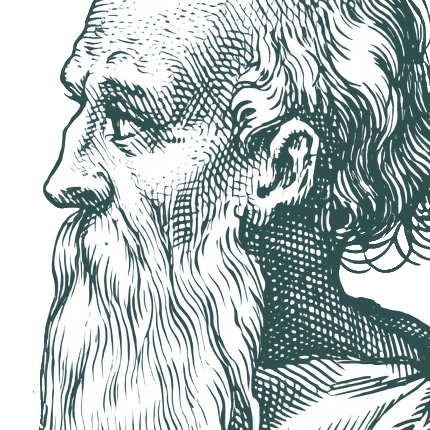
Portrait adapted from
Wikimedia Commons, Theodoor Galle (Public domain / CC0)
Also Known As
Native Name:
ΕΠΙΚΤΗΤΟΣ
Alternative Names:
Epictetus of Hierapolis
•
Epiktetos
I must die. Must I then die lamenting? I must be put in chains. Must I then also lament? I must go into exile. Does any man then hinder me from going with smiles and cheerfulness and contentment?
Do not say of anything “I have lost it,” but rather, “I have given it back.” Has your wife died? You have given her back. Has your child died? You have given him back. Have you lost your home? You have given it back. “But,” you may retort, “a bad person took it.” It is not your concern by what means something returns to the Source from which it came. For as long as the Source entrusts something to your hands, treat it as something borrowed, like a traveller at an inn.
Go Premium
Support Quotewise while enjoying an ad-free experience and premium features.
Young man, you seek beauty, and you do well; you must know then that it grows in that part of you where you have the rational faculty: seek it there where you have the movements towards and the movements from things, where you have the desires towards, and the aversion from things.
From Epictetus's discourse On Cleanliness (Discourses IV.11), addressed to a young man drawn to physical beauty; recorded by his student Arrian.