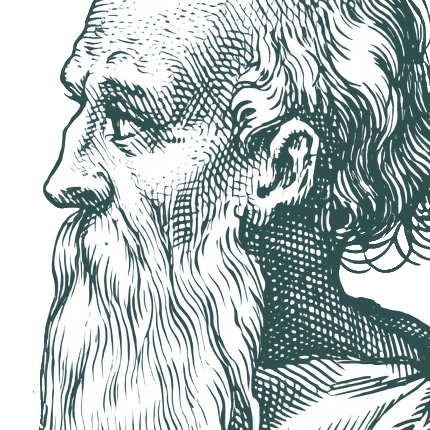
Epictetus (c. 55 – c. 135 AD), born a slave, was a Greek Stoic philosopher. His words were recorded by his student Arrian in the Discourses and Enchiridion written in the early 2nd-century.
Biography information from
Wikiquote·
Portrait adapted from
Wikimedia Commons, Theodoor Galle (Public domain / CC0)
Also Known As
Native Name:
ΕΠΙΚΤΗΤΟΣ
Alternative Names:
Epictetus of Hierapolis
•
Epiktetos
Appearances to the mind are of four kinds. Things either are what they appear to be; or they neither are, nor appear to be; or they are, and do not appear to be; or they are not, and yet appear to be. Rightly to aim in all these cases is the wise man's task.
[19] ‘My brother shouldn’t have treated me in this way.’ Indeed he shouldn’t, but it’s for him to see to that. For my part, however he treats me, I should conduct myself towards him as I ought. For that is my business, and the rest is not my concern. In this no one can hinder me, while everything else is subject to hindrance.
PREMIUM FEATURE
Advanced Search Filters
Filter search results by source, date, and more with our premium search tools.
As we exercise ourselves against sophistical questions, so we ought to exercise ourselves daily against appearances; for these appearances also propose questions to us.
From Epictetus's discourse on how we should train ourselves against appearances (Discourses III.8), recorded by his student Arrian.