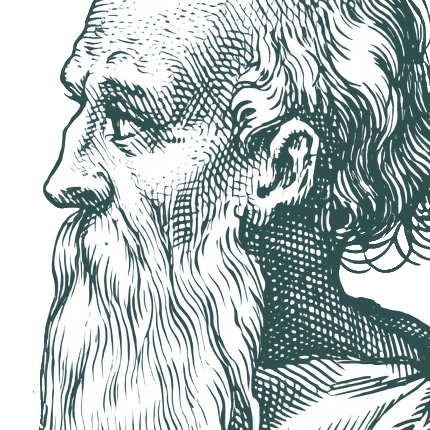
Never say about anything, “I have lost it,” but instead, “I have given it back. - Epictetus
""
Never say about anything, “I have lost it,” but instead, “I have given it back.
English
Collect this quote
About
Epictetus
Epictetus (c. 55 – c. 135 AD), born a slave, was a Greek Stoic philosopher. His words were recorded by his student Arrian in the Discourses and Enchiridion written in the early 2nd-century.
Biography information from
Wikiquote·
Portrait adapted from
Wikimedia Commons, Theodoor Galle (Public domain / CC0)
Also Known As
Native Name:
ΕΠΙΚΤΗΤΟΣ
Alternative Names:
Epictetus of Hierapolis
•
Epiktetos
So decide now that you are worthy of living as a full-grown man who is making progress, and make everything that seems best be a law that you cannot go against. And if you meet with any hardship or anything pleasant or reputable or disreputable, then remember that the contest is now and the Olympic games are now and you cannot put things off any more and that your progress is made or destroyed by a single day and a single action
Consider when, on a voyage, your ship is anchored; if you go on shore to get water you may along the way amuse yourself with picking up a shellish, or an onion. However, your thoughts and continual attention ought to be bent towards the ship, waiting for the captain to call on board; you must then immediately leave all these things, otherwise you will be thrown into the ship, bound neck and feet like a sheep. So it is with life. If, instead of an onion or a shellfish, you are given a wife or child, that is fine. But if the captain calls, you must run to the ship, leaving them, and regarding none of them. But if you are old, never go far from the ship: lest, when you are called, you should be unable to come in time.
Limited Time Offer
Premium members can get their quote collection automatically imported into their Quotewise collections.
Now, what does the title 'citizen' mean? In this role, a person never acts in his own interest or thinks of himself alone, but, like a hand or foot that had sense and realized its place in the natural order, all its actions and desires aim at nothing except contributing to the common good.