And chiefly Thou O Spirit, that dost prefer
Before all Temples th' upright heart and pure,
Instruct me, for Thou know'st; Thou from the first
Wast pr… - John Milton
""
And chiefly Thou O Spirit, that dost prefer Before all Temples th' upright heart and pure, Instruct me, for Thou know'st; Thou from the first Wast present, and with mighty wings outspread Dove-like satst brooding on the vast Abyss And mad'st it pregnant: What in me is dark Illumine, what is low raise and support; That to the highth of this great Argument I may assert th' Eternal Providence, And justifie the wayes of God to men.
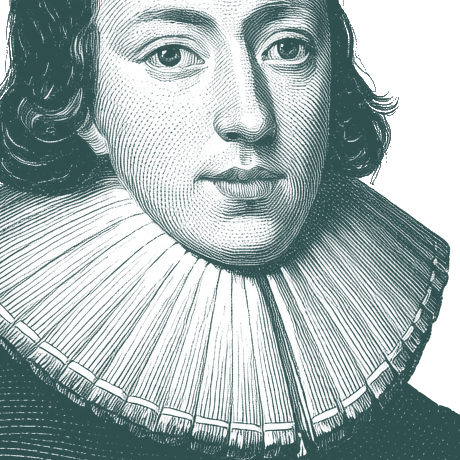
John Milton (9 December 1608 – 8 November 1674) was an English poet, polemicist, man of letters, and a civil servant for the Commonwealth of England under Oliver Cromwell. He wrote at a time of religious flux and political upheaval, and is most famous for his epic poem Paradise Lost (1667), written in blank verse.
Related quotes. More quotes will automatically load as you scroll down, or you can use the load more buttons.
Shorter versions of this quote
What in me is dark Illumine, what is low raise and support, That to the height of this great argument I may assert eternal Providence, And justify the ways of God to men. 1 Paradise Lost. Book i. Line 22.
And chiefly thou, O spirit, that dost prefer Before all temples the upright heart and pure, Instruct me, for thou know'st. Thou from the first Wast present, and, with mighty wings outspread, Dove-like sattest brooding on the vast abyss, And madst it pregnant.
How charming is divine Philosophy! Not harsh, and crabbed as dull fools suppose, But musical as is Apollo's lute, And a perpetual feast of nectar'd sweets, Where no crude surfet raigns.
PREMIUM FEATURE
Advanced Search Filters
Filter search results by source, date, and more with our premium search tools.
المعرفة مثل الطعام, تحتاج أيضا إلى الاعتدال فى الطلب لا إلى الشهية النهمة, أى أن يحيط الإنسان بما يستطيع الذهن أن يستوعبه دون إفراط وإلا أصيب بالتخمة, وسرعان مايحيل الحكمة إلى حماقة, مثلما يتحول الغذاء إلى ريح !