He who gives himself up like a prisoner of war must give up his weapons as well. And deprived in advance of defense against a possible blow, he canno… - Milan Kundera

" "

He who gives himself up like a prisoner of war must give up his weapons as well. And deprived in advance of defense against a possible blow, he cannot help wondering when the blow will fall.

English
Collect this quote

About Milan Kundera

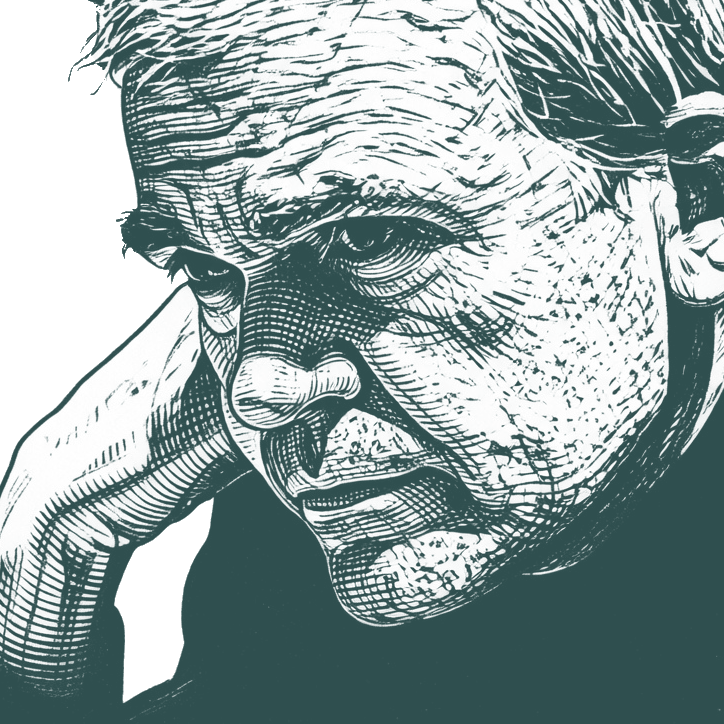
Milan Kundera (1 April 1929 – 11 July 2023) was a Franco-Czech novelist born in Brno, Czechoslovakia (now the Czech Republic).

Biography information from Wikiquote

Also Known As

Alternative Names: Kundera
Works in ChatGPT, Claude, or Any AI

Add semantic quote search to your AI assistant via MCP. One command setup.
Related quotes. More quotes will automatically load as you scroll down, or you can use the load more buttons.

Additional quotes by Milan Kundera

For Sabina, living in truth, lying neither to ourselves not others, was possible only away from the public: the moment someone keeps an eye on what we do, we involuntarily make allowances for that eye, and nothing we do is truthful. Having a public, keeping a public in mind, means living in lies. Sabina despised literature in which people give away all kinds of intimate secrets about themselves and their friends. A man who loses his privacy loses everything, Sabina thought. And a man who gives it up on his own free will is a monster. That is why Sabina did not suffer in the least from having to keep her love a secret. On the contrary, only by doing so could she live the truth.

Works in ChatGPT, Claude, or Any AI

Add semantic quote search to your AI assistant via MCP. One command setup.

"It was vertigo. A heady, insuperable longing to fall. We might also call vertigo the intoxication of the weak. Aware of his weakness, a man decides to give in rather than stand up to it. He is drunk with weakness, wishes to grow even weaker, wishes to fall down in the middle of the main square in front of everybody, wishes to be down, lower than down." -Milan Kundera, The Unbearable Lightness of Being, p. 76

Loading...