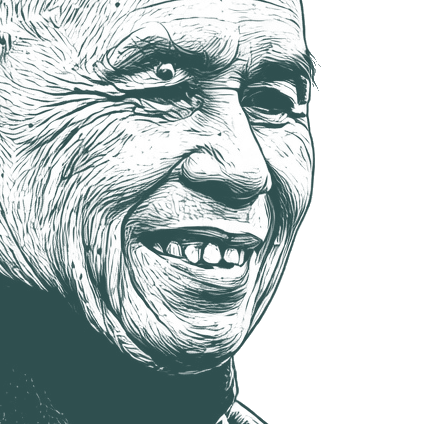
When we get angry, we suffer. If you really understand that, you also will be able to understand that when the other person is angry, it means that s… - Thích Nhất Hạnh
""
When we get angry, we suffer. If you really understand that, you also will be able to understand that when the other person is angry, it means that she is suffering. When someone insults you or behaves violently towards you, you have to be intelligent enough to see that the person suffers from his own violence and anger. But we tend to forget. We think that we are the only one that suffers, and the other person is our oppressor. This is enough to make anger arise, and to strengthen our desire to punish. We want to punish the other person because we suffer. Then, we have anger in us; we have violence in us, just as they do. When we see that our suffering and anger are no different from their suffering and anger, we will behave more compassionately. So understanding the other is understanding yourself, and understanding yourself is understanding the other person. Everything must begin with you.
English
Collect this quote
About
Thích Nhất Hạnh
Thích Nhất Hạnh (born as Nguyễn Xuân Bảo; 11 October 1926 – 22 January 2022) was an expatriate Vietnamese Buddhist monk, peace activist, and prolific author in both Vietnamese and English. Nhất Hạnh is most commonly referred to as Thích Nhất Hạnh, in which the Vietnamese title Thích (釋), derived from "Thích Ca" or "Thích Già" (釋迦) and applied to all Vietnamese Buddhist monks and nuns, means "of the Shakya (Shakyamuni Buddha) clan".
Biography information from
Wikiquote·
Portrait adapted from
Wikimedia Commons, Duc (pixiduc) from Paris, France. (CC BY-SA)
Also Known As
Alternative Names:
Nhat Hanh
•
Nguyễn Đình Lang
•
Nguyễn Xuân Bảo
•
Trừng Quang
•
Phùng Xuân
•
Thầy Nhất Hạnh
•
Thiền Sư Nhất Hạnh
•
Thich Nhat Hanh
When you walk, arrive with every step. That is walking meditation. There’s nothing else to it.
TRUE LOVE MAKES US HAPPY. If love doesn’t make us happy, it’s not love; it’s something else. Love is a wonderful thing. It gives us the ability to offer joy and happiness, relieve suffering, and transcend all kinds of separation and barriers.
Works in ChatGPT, Claude, or Any AI
Add semantic quote search to your AI assistant via MCP. One command setup.
Undoubtedly, even for enlightened men, however determined they may be, it is very difficult to go against the system. The question posed today is what must we do to prevent ourselves from being taken over by the system? Engaging in political or economic conflict does not seem to be the answer.