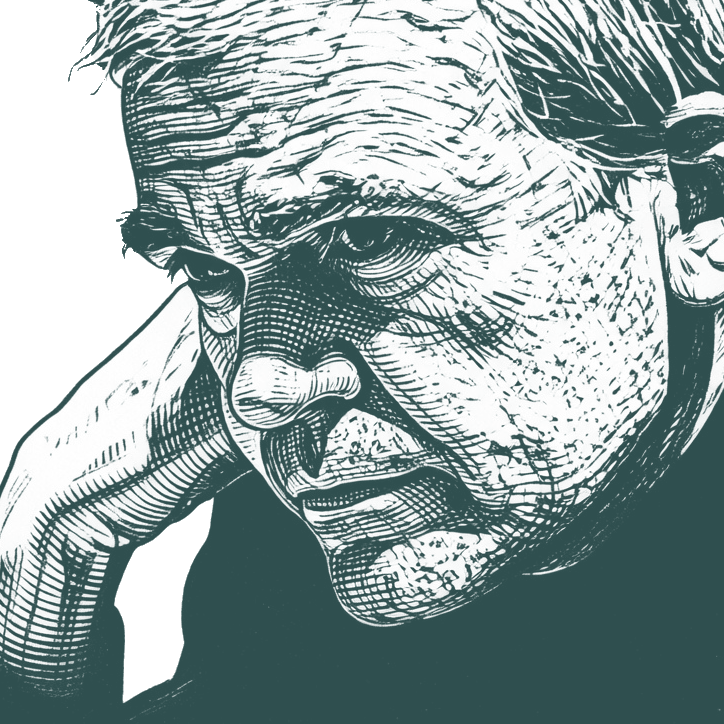
When I was small and would leaf through the Old Testament retold for children and illustrated in engravings by Gustave Dore, I saw the Lord God stand… - Milan Kundera
""
When I was small and would leaf through the Old Testament retold for children and illustrated in engravings by Gustave Dore, I saw the Lord God standing on a cloud. He was an old man with eyes, nose, and a long beard, and I would say to myself that if He had a mouth, He had to eat. And if He ate, He had intestines. But that always gave me a fright, because even though I come from a family that was not particularly religious, I felt the idea of a divine intestine to be sacrilegious. Spontaneously, without any theological training, I, a child, grasped the incompatibility of God and shit... Either/or: either man was created in God's image — and God has intestines! — or God lacks intestines and man is not like him... Shit is a more onerous theological problem than is evil. Since God gave man freedom, we can, if need be, accept the idea that He is not responsible for man's crimes. The responsibility for shit, however, rests entirely with Him, the Creator of man.
فالإنسان المطرود من سياج الطفولة الواقى يرغب فى اقتحام العالم، لكن خوفه يدفعه إلى صنع عالم اصطناعى تعويضى بواسطة أشعاره، فيحيط نفسه بتلك الأشعار كما تحيط الكواكب بالشمس، ويحتل مركز عالم صغير لا شئ فيه غريبًا، يحس داخله بالألفة على غرار الطفل فى بطن أمه، لأن كل شئ هنالك مقدود من مادة روحه. وهو هناك يستطيع أن يفعل كل ما يتعذّر عليه فعله فى الخارج. هناك يستطيع أن يسير بين حشود العمال من أجل القيام بالثورة، ويجلد عشيقاته الصغيرات، لأن هذه الحشود، وهذه العشيقات لم تُقدد من المادة العدائية لعالم غريب، بل من مادة أحلامه الخاصة. فهى إذًا ليست غير ذاته، وهى لا تقطع من وحدة العالم الذى أنشأه لنفسه.