I well remember the first great hemp shop that was opened in San Francisco around 1976. It was essentially a long wooden bar with stools for the cust… - Alan Watts
""
I well remember the first great hemp shop that was opened in San Francisco around 1976. It was essentially a long wooden bar with stools for the customers. On the bar itself were a few large crocks containing the basic and cheaper forms of the weed — Panama Red, Acapulco Gold, Indian Ganja, and Domestic Green. But against the wall behind the bar stood a long cabinet furnished with hundreds of small drawers that a local guitar maker had decorated with intricate ivory inlays in the Italian style. Each drawer carried a label indicating the precise field and year of the product, so that one could purchase all the different varieties from Mexico, Lebanon, Morocco, Egypt, India, and Vietnam, as well as the carefully tended plants of devout cannabinologists here at home. Business was conducted with leisure and courtesy, and the salesmen offered small samples for testing at the bar, along with sensitive and expert discussion of their special effects. I might add that the stronger psychedelics, such as LSD, were coming to be used only rarely — for psychotherapy, for retreats in religious institutions, and in our special hospitals for the dying.
English
Collect this quote
About
Alan Watts
Alan Wilson Watts (6 January 1915 – 16 November 1973) was an English philosopher, writer, speaker, and expert in comparative religion.
Biography information from
Wikiquote·
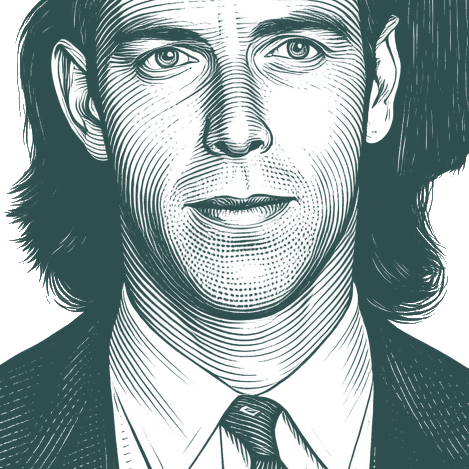
Portrait adapted from
Wikimedia Commons, The University of Vermont Alumni Magazine vol. 39 no. 01, p. 22. (Public domain / CC0)
Also Known As
Alternative Names:
Alan Wilson Watts
•
Alan W. Watts
The world of “suchness” is void and empty because it teases the mind out of thought, dumbfounding the chatter of definition so that there is nothing left to be said. Yet it is obvious that we are not confronted with literal nothingness. It is true that, when pressed, every attempt to catch hold of our world leaves us empty-handed. Furthermore, when we try to be sure at least of ourselves, the knowing, catching subjects, we disappear. We cannot find any self apart from the mind, and we cannot find any mind apart from those very experiences which the mind – now vanished – was trying to grasp.