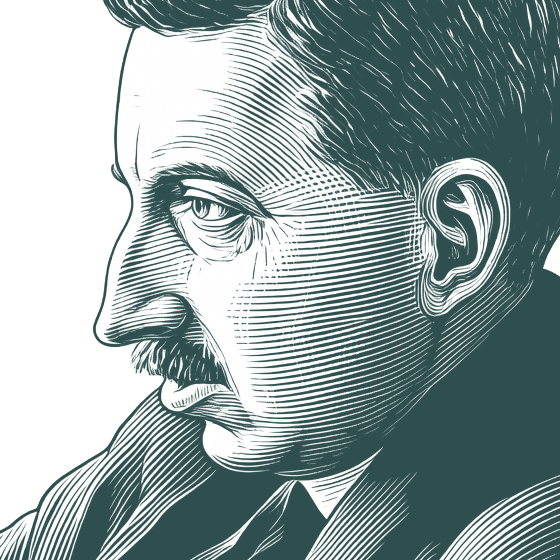
If we lived for ever, what you say would be true. But we have to die, we have to leave life presently. Injustice and greed would be the real thing if… - E. M. Forster
""
If we lived for ever, what you say would be true. But we have to die, we have to leave life presently. Injustice and greed would be the real thing if we lived for ever. As it is, we must hold to other things, because Death is coming. I love death - not morbidly, but because He explains. He shows me the emptiness of Money. Death and Money are the eternal foes. Not Death and Life. . . . Death destroys a man: the idea of Death saves him. Behind the coffins and the skeletons that stay the vulgar mind lies something so immense that all that is great in us responds to it. Men of the world may recoil from the charnel-house that they will one day enter, but Love knows better. Death is his foe, but his peer, and in their age-long struggle the thews of Love have been strengthened, and his vision cleared, until there is no one who can stand against him.
I don't intend him, or any man or any woman, to be all my life - good heavens, no! There are heaps of things in me that he doesn't, and shall never, understand.
No, mother; no. She was really keen on Italy. This travel is quite a crisis for her.” He found the situation full of whimsical romance: there was something half attractive, half repellent in the thought of this vulgar woman journeying to places he loved and revered. Why should she not be transfigured? The same had happened to the Goths.
Go Premium
Support Quotewise while enjoying an ad-free experience and premium features.
Society is invincible — to a certain degree. But your real life is your own, and nothing can touch it. There is no power on earth that can prevent your criticizing and despising mediocrity — nothing that can stop you retreating into splendour and beauty — into the thoughts and beliefs that make the real life — the real you.