When you see a person weeping in sorrow either when a. child goes abroad or when he is dead, or when the man has lost his property, take care that th… - Epictetus
""
When you see a person weeping in sorrow either when a. child goes abroad or when he is dead, or when the man has lost his property, take care that the appearance do not hurry you away with it, as if he were suffering in external things. But straightway make a distinction in your own mind, and be in readiness to say, it is not that which has happened that afflicts this man, for it does not afflict another, but it is the opinion about this thing which afflicts the man. So far as words then do not be unwilling to show him sympathy, and even if it happens so, to lament with him. But take care that you do not. lament internally also.
Epictetus (c. 55 – c. 135 AD), born a slave, was a Greek Stoic philosopher. His words were recorded by his student Arrian in the Discourses and Enchiridion written in the early 2nd-century.
Biography information from
Wikiquote·
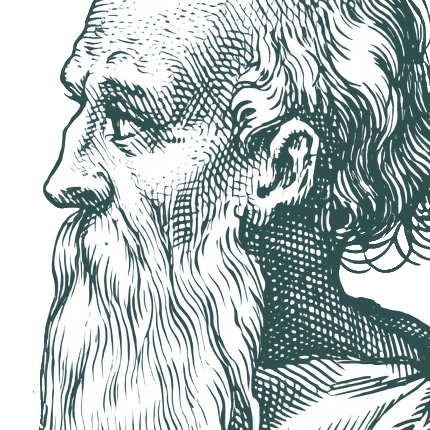
Portrait adapted from
Wikimedia Commons, Theodoor Galle (Public domain / CC0)
Also Known As
Native Name:
ΕΠΙΚΤΗΤΟΣ
Alternative Names:
Epictetus of Hierapolis
•
Epiktetos
What really frightens and dismays us is not external events themselves, but the way in which we think about them. It is not things that disturb us, but our interpretation of their significance.
Remember then that if you think the things which are by nature slavish to be free, and the things which are in the power of others to be your own, you will be hindered, you will lament, you will be disturbed, you will blame both gods and men: but if you think that only which is your own to be your own, and if you think that what is another's, as it really is, belongs to another, no man will ever compel you, no man will hinder you, you will never blame any man, you will accuse no man, you will do nothing involuntarily (against your will), no man will harm you, you will have no enemy, for you will not suffer any harm.
You ought to realize, you take up very little space in the world as a whole — your body, that is; in reason, however, you yield to no one, not even to the gods, because reason is not measured in size but sense. So why not care for that side of you, where you and the gods are equals?