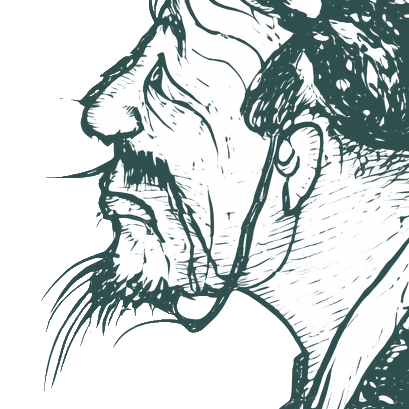
Confucius (traditionally 28 September 551 B.C. – 479 B.C.) was a Chinese social philosopher, whose teachings deeply influenced East Asian life and thought. "Confucius" is a latinization of the Chinese 孔夫子, Kong Fu Zi or K'ung-fu-tzu, literally "Master Kong", but he is usually referred to in China with a simpler version of this honorific as 孔子, Kongzi, or Kǒng Zǐ.
Biography information from
Wikiquote·
Portrait adapted from
Wikimedia Commons, Anonymous Chinese painter of the Western Han period (Public domain / CC0)
Also Known As
Native Name:
孔夫子
Alternative Names:
Confucio
•
Konfuzius
•
Cheu-kong
•
Chung-ni
•
Cong-tse
•
K'ung Chung-ni
•
K'ung Fu-tse
•
K'ung-fu-tzu
•
K'ung-tzu
•
Kong Fu Zi
•
Kong Fuzi
•
Kong Qiu
•
Kong Zhongni
•
Kongfuzi
•
Kongqiu
•
Kongzi
•
Kung Chung-ni
•
Kung Fu Tzu
•
Kung Fu-tse
•
Kungfutse
•
Zhongni
Portrait from Wikimedia Commons. Credit: Anonymous Chinese painter of the Western Han period. Used under Public domain / CC0. Processed and styled by Quotewise.
The Master replied, “The person who would wrestle a tiger bare-handed or march across the Yellow River,106 and who would go to his death without regret — this person I would not take along. It would have to be someone who would approach any situation with trepidation, and who would be fond of planning with an eye to success.
子曰:「可與共學,未可與適道;可與適道,未可與立;可與立,未可與權。」
Works in ChatGPT, Claude, or Any AI
Add semantic quote search to your AI assistant via MCP. One command setup.
The Master said, “You [Zilu], do you know what I have been trying to teach you? To say that you know something when you know it and to say that you do not know something when you do not know it — this is true knowing [zhi].