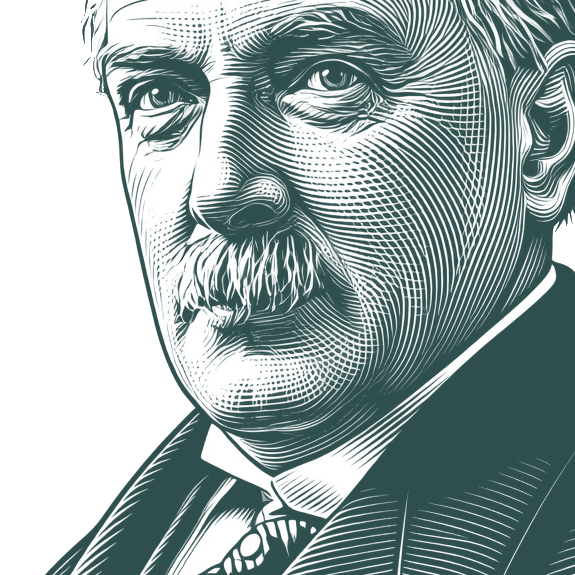
We must make, if we can, an enduring peace. That is why I feel so strongly regarding the proposal to hand over two million Germans to the Poles, who … - David Lloyd George
""
We must make, if we can, an enduring peace. That is why I feel so strongly regarding the proposal to hand over two million Germans to the Poles, who are an inferior people so far as concerns the experience and capacity for government. We do not want to create another Alsace-Lorraine.
English
Collect this quote
About
David Lloyd George
David Lloyd George (17 January 1863 – 26 March 1945) was a British politician, who served as Prime Minister of the United Kingdom from 1916 to 1922.
This rich, proud Empire did not pay its children, who had maintained and built up its glory and upon whom they had to depend in future against every foe, enough to keep themselves, their wives, and their children above a state of semi-starvation. (Cries of "Shame.") The land of Britain, which ought to be rearing a virile, healthy, independent, prosperous people, was held under conditions which positively discouraged capital, enterprise, and brains, sapped independence and undermined vitality. The condition of things was one which demanded the immediate attention of every man who loved his native land and who had any heart to sympathize with humanity in despair.
You do not declare war on rebels.
Go Premium
Support Quotewise while enjoying an ad-free experience and premium features.