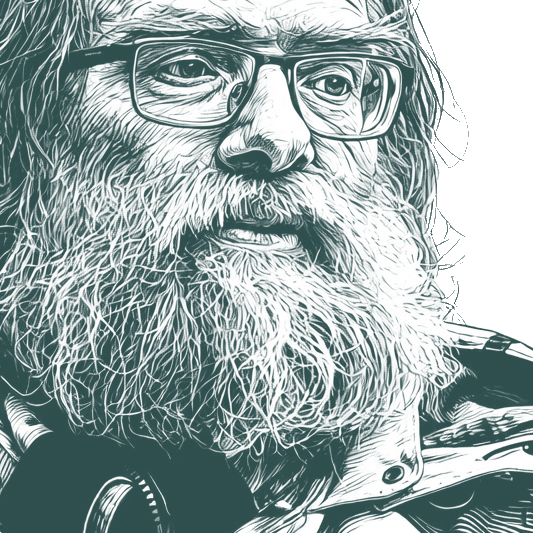
This book is part of a polemic. So far, the polemical arrows have all been shot from one side, replies from the other side beignn extremely rare and … - Koenraad Elst
""
This book is part of a polemic. So far, the polemical arrows have all been shot from one side, replies from the other side beignn extremely rare and never more than piecemeal. (Foreword)
Koenraad Elst (born 7 August 1959) is a Flemish right wing Hindutva author, known primarily for his support of the Out of India theory and the Hindutva movement. Scholars have accused him of harboring Islamophobia.
And here too, there are other, non-controversial parts that get overlooked. Thus, the hymn opens by saying that the Universal Man (Purusha) has a thousand heads. That means: the Universal Man is a community of ordinary individual men. Hindus sometimes felt the need for a leader, but hey, the Purusha Sukta rightly prescribes: we together are that leader. When we put our limited heads together, we together become the Cosmic Man. Isn’t that profound? If I were a Hindu, I would be proud of my Purusha Sukta. I would never want it to be a mere interpolation from an obscure foreign source.
Works in ChatGPT, Claude, or Any AI
Add semantic quote search to your AI assistant via MCP. One command setup.
The primary fact in India's religious conflict is that Hinduism is fighting for its survival in its only homeland, while the "minorities" (in fact the Indian branch of powerful and wealthy multinationals) are only angling for additional conquests.