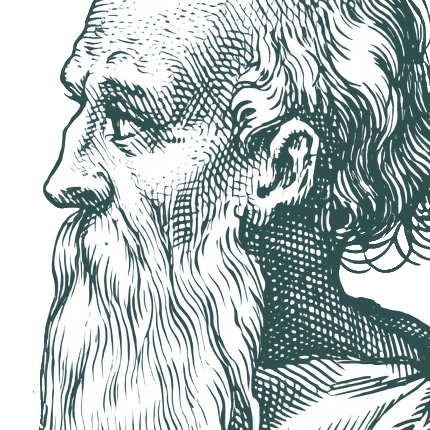
From Epictetus's discourse On the Cynic Calling (Discourses III.22), recorded by his student Arrian; answering a pupil who asked what sort of man a Cynic must be.
Epictetus (c. 55 – c. 135 AD), born a slave, was a Greek Stoic philosopher. His words were recorded by his student Arrian in the Discourses and Enchiridion written in the early 2nd-century.
Biography information from
Wikiquote·
Portrait adapted from
Wikimedia Commons, Theodoor Galle (Public domain / CC0)
Also Known As
Native Name:
ΕΠΙΚΤΗΤΟΣ
Alternative Names:
Epictetus of Hierapolis
•
Epiktetos
No es razonar con coherencia decir: «Soy más rico que tú, por lo tanto soy mejor que tú; soy más brillante que tú, entonces soy superior a ti». Para razonar más coherentemente es preciso decir: «Soy más rico que tú, pues mis bienes son mayores que los tuyos; soy más brillante que tú, pues mis discursos tienen mayor valor que los tuyos». Ya que tú no eres, ciertamente, ni riqueza, ni elocuación.
PREMIUM FEATURE
Advanced Search Filters
Filter search results by source, date, and more with our premium search tools.