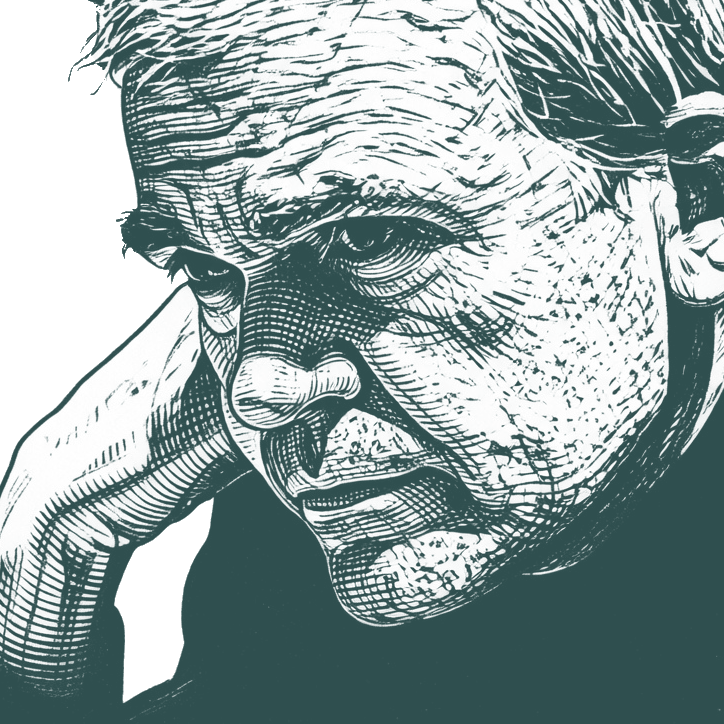
Dưới mắt Tereza, sách vở là biểu tượng cho hội tình thương bí mật. Bởi đó là khí giới duy nhất cô có trong tay để chống chọi với cái thế giới thô bỉ,… - Milan Kundera
""
Dưới mắt Tereza, sách vở là biểu tượng cho hội tình thương bí mật. Bởi đó là khí giới duy nhất cô có trong tay để chống chọi với cái thế giới thô bỉ, nhơ nhớp chung quanh cô. Nhất là tiểu thuyết. Cô đọc bất cứ quyển gì cô vớ được trong tay, từ Fielding cho đến Thomas Mann. Sách vở không những giúp cô tạm thời thoát khỏi đời sống buồn nản, chán ngắt cô đang vương mắc, nó còn mang ý nghĩa khác: cô rất thích đi bộ xuống phố, trên tay ôm một quyển sách. Với cô quyển sách có ý nghĩa giống như cách đây gần thế kỉ người đàn ông lịch sự, bảnh bao cầm trên tay cây can khi bước ra đường phố. Nhờ quyển sách cô thấy mình khác những người chung quanh.
Vietnamese
Collect this quote
About
Milan Kundera
Milan Kundera (1 April 1929 – 11 July 2023) was a Franco-Czech novelist born in Brno, Czechoslovakia (now the Czech Republic).
We all need someone to look at us. we can be divided into four categories according to the kind of look we wish to live under. the first category longs for the look of an infinite number of anonymous eyes, in other words, for the look of the public. the second category is made up of people who have a vital need to be looked at by many known eyes. they are the tireless hosts of cocktail parties and dinners. they are happier than the people in the first category, who, when they lose their public, have the feeling that the lights have gone out in the room of their lives. this happens to nearly all of them sooner or later. people in the second category, on the other hand, can always come up with the eyes they need. then there is the third category, the category of people who need to be constantly before the eyes of the person they love. their situation is as dangerous as the situation of people in the first category. one day the eyes of their beloved will close, and the room will go dark. and finally there is the fourth category, the rarest, the category of people who live in the imaginary eyes of those who are not present. they are the dreamers.
Too much faith is the worst ally. When you believe in something literally, through your faith you'll turn it into something absurd. One who is a genuine adherent, if you like, of some political outlook, never takes its sophistries seriously, but only its practical aims, which are concealed beneath these sophistries. Political rhetoric and sophistries do not exist, after all, in order that they be believed; rather, they have to serve as a common and agreed upon alibi. Foolish people who take them in earnest sooner or later discover inconsistencies in them, begin to protest, and finish finally and infamously as heretics and apostates. No, too much faith never brings anything good...
Enhance Your Quote Experience
Enjoy ad-free browsing, unlimited collections, and advanced search features with Premium.
Early in the novel [Anna Karenina], Anna meets Vronsky in curious circumstances: they are at the railway station when someone is run over by a train. At the end of the novel, Anna throws herself under a train. This symmetrical composition — the same motif appears at the beginning and the end — may seem quite “novelistic” to you, and I am willing to agree, but only on condition that you refrain from reading such notions as “fictive,” “fabricated,” and “untrue to life” into the word “novelistic.” Because human lives are composed in precisely such a fashion. They are composed like music. Guided by his sense of beauty, an individual transforms a fortuitous occurrence (Beethoven’s music, death under a train) into a motif, which then assumes a permanent place in the composition of the individual’s life. Anna could have chosen another way to take her life. But the motif of death and the railway station, unforgettably bound to the birth of love, enticed her in her hour of despair with its dark beauty. Without realizing it, the individual composes his life according to the laws of beauty even in times of greatest distress. It is wrong, then, to chide the novel for being fascinated by mysterious coincidences. … But it is right to chide man for being blind to such coincidences in his daily life. For he thereby deprives his life of a dimension of beauty.