I keep six honest serving-men (They taught me all I knew); Their names are What and Why and When And How and Where and Who. — RUDYARD KIPLING Will - Dale Carnegie
""
I keep six honest serving-men (They taught me all I knew); Their names are What and Why and When And How and Where and Who. — RUDYARD KIPLING Will
English
Collect this quote
About
Dale Carnegie
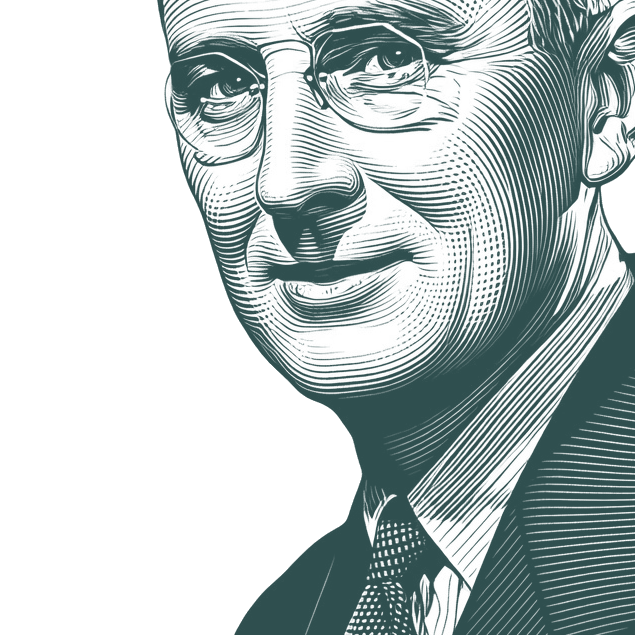
Dale Harbison Carnegie [originally Carnagey until 1919] (November 24, 1888 – November 1, 1955) was an American writer, lecturer and the developer of famous courses in self-improvement, salesmanship, corporate training, public speaking and interpersonal skills. Born in poverty on a farm in Missouri, he was the author of How to Win Friends and Influence People, first published in 1936, a massive bestseller that remains popular today. He also wrote a biography of Abraham Lincoln, entitled Lincoln the Unknown, as well as several other books.
Our fatigue is often caused not by work, but by worry, frustration and resentment.
Many are accustomed to holding a sword called the First Amendment in one hand and a shield called the Fifth in the other — all the while forgetting that to do so is to deem human relations a battlefield. In many ways this culture of criticism and complaint is the unfortunate reality.
PREMIUM FEATURE
Advanced Search Filters
Filter search results by source, date, and more with our premium search tools.