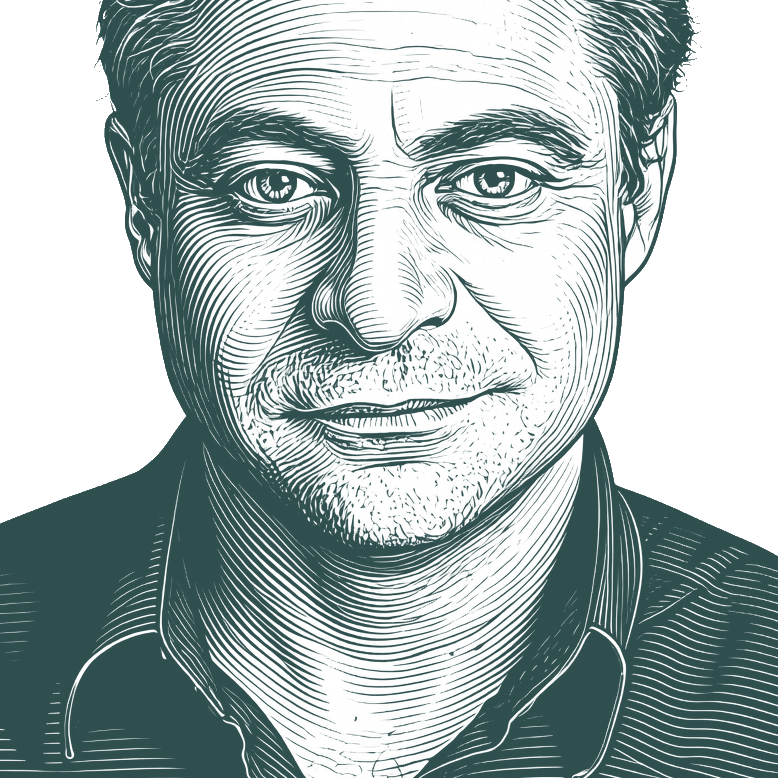
Your microbiome looks perfect,” Google tells you. “Also, blood glucose levels are good, vitamin levels fine, but an increased core temperature and Ig… - Peter Diamandis
""
Your microbiome looks perfect,” Google tells you. “Also, blood glucose levels are good, vitamin levels fine, but an increased core temperature and IgE levels…” “Google — in plain English?” “You’ve got a virus.” “A what?” “I ran through your last forty-eight hours of meetings. It seems like you picked it up Monday, at Jonah’s birthday party. I’d like to run additional diagnostics, would you mind using the…” Well, take your pick. Alphabet’s healthcare division, called Verily Life Sciences, is developing a full range of internal and external sensors that monitor everything from blood sugar to blood chemistry. And that’s just Alphabet. The list of once multimillion-dollar medical machines now being dematerialized, demonetized, democratized, and delocalized — that is, made into portable and even wearable sensors — could fill a textbook.
Peter H. Diamandis (born May 20, 1961) is an American engineer, physician, and entrepreneur. He is best known as the founder and chairman of the XPRIZE Foundation, and the cofounder and executive chairman of Singularity University. He is also cofounder and former CEO of the Zero Gravity Corporation, cofounder and vice chairman of Space Adventures Ltd., founder and chairman of the Rocket Racing League, cofounder of the International Space University, cofounder of Planetary Resources, cofounder of Celularity, founder of Students for the Exploration and Development of Space, and vice chairman and cofounder of Human Longevity, Inc.
Right now we’re enjoying first generation GE crops; soon we’ll have versions that can grow in drought conditions, in saline conditions, crops that are nutritionally fortified, that act as medicines, that increase yields and lower the use for pesticides, herbicides, and fossil fuels. The best designs will do many of these things at once. The Gates Foundation–led effort BioCassava Plus aims to take cassava, one of the world’s largest staple crops, fortify it with protein, vitamins A and E, iron, and zinc; lower its natural cyanide content, make it virus resistant, and storable for two weeks (instead of one day). By 2020, this one genetically modified crop could radically improve the health of the 250 million people for whom it is a daily meal.
Don't walk when you can RUN.
Go Premium
Support Quotewise while enjoying an ad-free experience and premium features.
who needs soil when there’s water? The idea of growing food in water dates back, at least, to the Hanging Gardens of Babylon. But hydroponics, the growing of food in a nutrient-rich solution, is a more modern development.