Stoicism was founded in the third century BC by Zeno of Citium; Cleanthes succeeded him as head of the school. But it was Cleanthes’ successor, Chrys… - Epictetus
""
Stoicism was founded in the third century BC by Zeno of Citium; Cleanthes succeeded him as head of the school. But it was Cleanthes’ successor, Chrysippus (d. 208 BC), who contributed most to the development of Stoic doctrine and deserves most of the credit for what Stoicism eventually became – the dominant philosophy of the post-classical era.
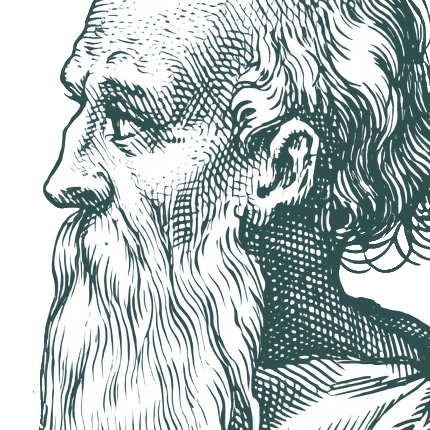
Epictetus (c. 55 – c. 135 AD), born a slave, was a Greek Stoic philosopher. His words were recorded by his student Arrian in the Discourses and Enchiridion written in the early 2nd-century.
Biography information from
Wikiquote·
Portrait adapted from
Wikimedia Commons, Theodoor Galle (Public domain / CC0)
Also Known As
Native Name:
ΕΠΙΚΤΗΤΟΣ
Alternative Names:
Epictetus of Hierapolis
•
Epiktetos
For making a good voyage a pilot and wind are necessary: and for happiness, reason and art.
And yet, while there is only the one thing we can care for and devote ourselves to, we choose instead to care about and attach ourselves to a score of others: to our bodies, to our property, to our family, friends and slaves. [15] And, being attached to many things, we are weighed down and dragged along with them.
Works in ChatGPT, Claude, or Any AI
Add semantic quote search to your AI assistant via MCP. One command setup.