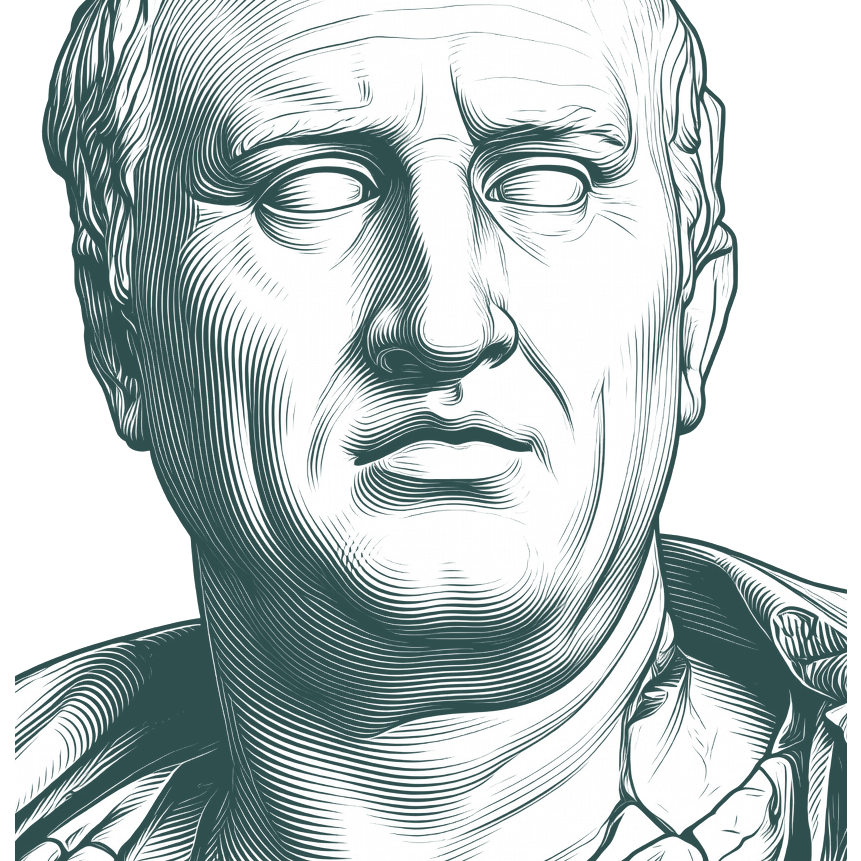
Marcus Tullius Cicero (3 January 106 BC – 7 December 43 BC), infrequently known by the anglicized name Tully in the Middle Ages and after, was a Roman philosopher, politician, lawyer, orator, political theorist, consul and constitutionalist. He came from a wealthy municipal family of the Roman equestrian order, and is widely considered one of Rome's greatest orators and prose stylists.
For friendship is nothing else than an accord in all things, human and divine, conjoined with mutual goodwill and affection, and I am inclined to think that, with the exception of wisdom, no better thing has been given to man by the immortal gods.
To be ignorant of what occurred before you were born is to remain always a child.
Works in ChatGPT, Claude, or Any AI
Add semantic quote search to your AI assistant via MCP. One command setup.
Nevertheless, let us imagine that you could have killed me. That, Senators, is what a favour from gangsters amounts to. They refrain from murdering someone; then they boast that they have spared him! If that is a true favour, then those who killed Caesar, after he had spared them, would never have been regarded as so glorious — and they are men whom you yourself habitually describe as noble. But the mere abstention from a dreadful crime is surely no sort of favour. In the situation in which this "favour" placed me, my dominant feelings ought not to have been pleasure because you did not kill me, but sorrow because you could have done so with impunity. However, let us even assume that it was a favour; at any rate the best favour that a gangster could confer. Still, in what respect can you call me ungrateful? Were my protests against the downfall of our country wrong, because you might think they showed ingratitude?