This is very clear when we take a long-term perspective: in the fifty years between 1941 and 1991, their percentage has risen 5.64% (from 24.28% to… - Koenraad Elst
""
This is very clear when we take a long-term perspective: in the fifty years between 1941 and 1991, their percentage has risen 5.64% (from 24.28% to 29.92%), substantially more than the 4.31% gain in the sixty years between 1881 and 1941. At this rate, the Muslims in the Subcontinent must have passed the 30% mark in the mid-1990s and will pass the milestone of becoming more than half the number of Hindus (ca. 32% to ca. 64%) before the census of 2011.
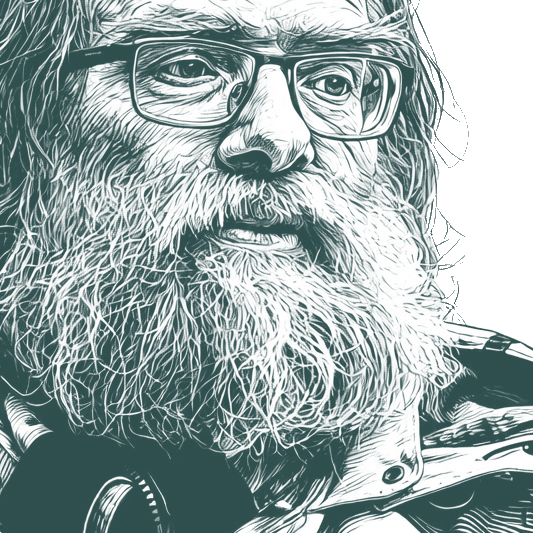
Koenraad Elst (born 7 August 1959) is a Flemish right wing Hindutva author, known primarily for his support of the Out of India theory and the Hindutva movement. Scholars have accused him of harboring Islamophobia.
The first step of an establishment against a vocal opponent is always to deny him legitimacy, then to pretend that there is no real debate, only a querulant rebelling against established common sense.
Now that our mythographer has gone off track, he extemporizes all at once about “White Knights” with a “Hindutva obsession”, opposing “multiple truths” and waging a “Crusade against Muslims”, out to “dehumanise” the opposition. Here I confess, I simply can’t keep up with his cannonade. I think he is referring to himself when he speaks of “rejecting the model of conversation”.
Unlimited Quote Collections
Organize your favorite quotes without limits. Create themed collections for every occasion with Premium.
Another language family originating in some part of Sundaland was Austro-Asiatic, which includes the Mon-Khmer languages in Indochina (its demographic point of gravity being Vietnam) but also Nicobarese and the Munda languages of Chotanagpur, at one time possibly spoken throughout the Ganga basin. It is the Mundas who brought rice cultivation from Southeast Asia to the Ganga basin, whence it reached the Indus Valley towards the end of the Harappan age (ca. 2300 BC). In this connection, it is worth noting that Oppenheimer confirms that "barley cultivation was developed in the Indus Valley" (p.19), barley being the favourite crop of the Vedic Aryans (yava). Unlike the Mundas who brought rice cultivation from eastern India and ultimately from Southeast Asia to northwestern India, and unlike the Indo-European Kurgan people whose invasion into Europe can be followed by means of traces of the crops they imported (esp. millet), the Vedic Aryans simply used the native produce. This doesn't prove but certainly supports the suspicion that the Aryans were native to the Indus Valley.