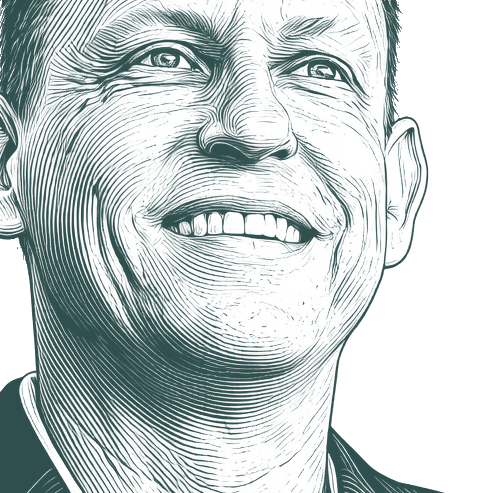
Most cleantech companies crashed because they neglected one or more of the seven questions that every business must answer: 1. The Engineering Questi… - Peter Thiel
""
Most cleantech companies crashed because they neglected one or more of the seven questions that every business must answer: 1. The Engineering Question Can you create breakthrough technology instead of incremental improvements? 2. The Timing Question Is now the right time to start your particular business? 3. The Monopoly Question Are you starting with a big share of a small market? 4. The People Question Do you have the right team? 5. The Distribution Question Do you have a way to not just create but deliver your product? 6. The Durability Question Will your market position be defensible 10 and 20 years into the future? 7. The Secret Question Have you identified a unique opportunity that
English
Collect this quote
About
Peter Thiel
Peter Andreas Thiel (born 11 October 1967) is a German-American billionaire entrepreneur, hedge fund manager, venture capitalist, philanthropist, political activist, and author. A co-founder of PayPal, Palantir Technologies, and Founders Fund, he was the first outside investor in Facebook.
TV is a great big megaphone,” and when you can only afford to spend dozens of dollars acquiring a new customer, you need the biggest megaphone you can find.
We teach every young person the same subjects in mostly the same ways, irrespective of individual talents and preferences.
Unlimited Quote Collections
Organize your favorite quotes without limits. Create themed collections for every occasion with Premium.
It’s a cliché that tech workers don’t care about what they wear, but if you look closely at those T-shirts, you’ll see the logos of the wearers’ companies — and tech workers care about those very much. What makes a startup employee instantly distinguishable to outsiders is the branded T-shirt or hoodie that makes him look the same as his co-workers. The startup uniform encapsulates a simple but essential principle: everyone at your company should be different in the same way — a tribe of like-minded people fiercely devoted to the company’s mission. Max Levchin, my co-founder