These riot vultures do a lot of damage to India, among other reasons because they are so eagerly believed abroad.... Since approximately the Stone Ag… - Koenraad Elst
""
These riot vultures do a lot of damage to India, among other reasons because they are so eagerly believed abroad.... Since approximately the Stone Age, Engineer has been travelling to riot spots in India (butchering of minorities in Pakistan and Bangladesh somehow doesn’t interest him as much) with prefabricated riot reports invariably showing the same ingredients: Hindu pre-planning, Muslim victimhood, anti-Muslim complicity of the police and some local politicians. With the “facts” of the matter fixed beforehand, the main purpose of his visits is to note down some local names in order to give his reports more credibility. ... Undeniably, Asghar Ali Engineer remains a formidable master of disinformation. This makes him an excellent representative of Indian secularism and of the anti-temple campaign in particular.
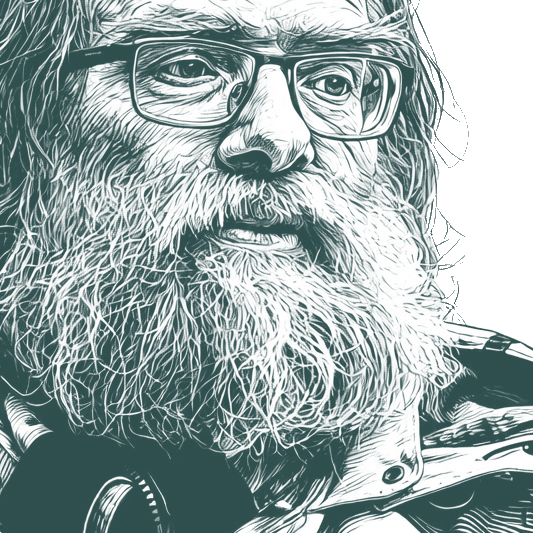
Koenraad Elst (born 7 August 1959) is a Flemish right wing Hindutva author, known primarily for his support of the Out of India theory and the Hindutva movement. Scholars have accused him of harboring Islamophobia.
The essence of Hindu Dharma is not ‘tolerance’ or ‘equal respect for all religious’ but satya, truth. The problem with Christianity and Islam is superficially their intolerance and fanaticism. But this intolerance is a consequence of these religions’ untruthfulness. If your belief system is based on delusions, you have to pre-empt rational enquiry into it and shield it from contact with more sustainable thought systems. The fundamental problem with monotheistic religions is not that they are intolerant but that they are untrue (Asatya or Anrita).
Indians in Southeast-Asia were never known as 'Hindu', but the Arabs, Turks, Mongolians and other northern and western foreigners adopted the Persian name as their own word for 'India' and 'Indians', e.g. Arabic Hind, Turkish Hindistan. Xuan Zang ... notes in so many words that the name Xin-du (regular Chinese rendering of Persian Hindu)1 or, as he corrects it, Yin-du, is used outside India but is unknown within the country, because the natives call it Aryadesh or Brahmarashtra.
In modern India scholarship, or rather “South Asia Studies”, this anti-Hindu bias is supported, either by hiding it and denying that it even exists (“India’s secularism is threatened by Hindu majoritarianism!”) or, more rarely, by openly acknowledging and defending it. Thus, in her keynote address at the 2014 conference of the European Association of South-Asian Studies in Zurich, Delhi Law Professor openly admitted and speciously justified the anti-Hindu discriminations, to general acclaim. These academics, whose authority is based on the public’s assumption that academia equals objectivity, are in great majority partisan on the anti-Hindu side, passively or actively.