American author, screenwriter, film director (1942–2008)
John Michael Crichton (pronounced [kraɪtən]) (23 October 1942 – 4 November 2008) was an American best-selling author, physician, producer, director and screenwriter, best known for his work in the science fiction, medical fiction and thriller genres. His books have sold over 200 million copies worldwide, and many have been adapted into films.
Bio from: Wikiquote (CC BY-SA 4.0) · Portrait adapted from: Wikimedia Commons, Jon Chase photo/Harvard News Office (CC BY-SA)
From Wikidata (CC0)
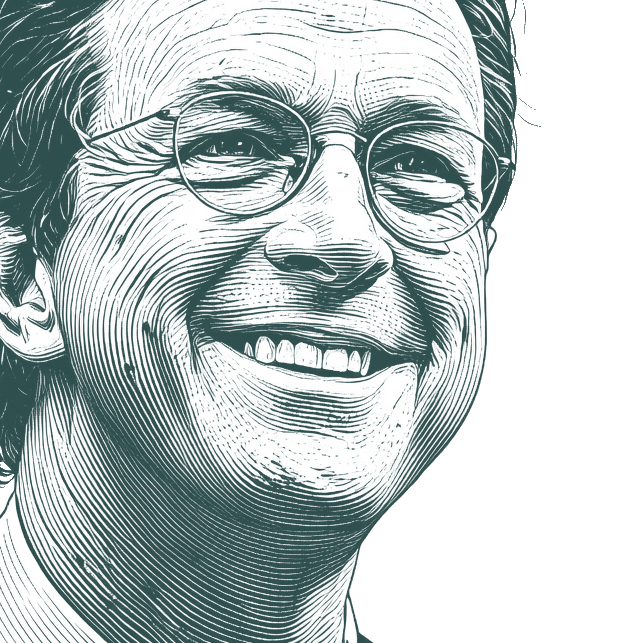

I believe my life has value, and I don't want to waste it thinking about clothing . . . I don't want to think about what I will wear in the morning. Truly, can you imagine anything more boring than fashion? Professional sports, perhaps. Grown men swatting little balls, while the rest of the world pays money to applaud. But, on the whole, I find fashion even more tedious than sports
Try QuoteGPT
Chat naturally about what you need. Each answer links back to real quotes with citations.
Works in ChatGPT, Claude, or Any AI
Add semantic quote search to your AI assistant via MCP. One command setup.
Try QuoteGPT
Chat naturally about what you need. Each answer links back to real quotes with citations.
Having wallowed in a delightful orgy of anti-French sentiment, having deplored and applauded the villains themselves, having relished the foibles of bankers, railwaymen, diplomats, and police, the public was now ready to see its faith restored in the basic soundness of banks, railroads, government, and police.
You know what's wrong with scientific power?... It's a form of inherited wealth... Most kinds of power require a substantial sacrifice by whoever wants the power. There is an apprenticeship, a discipline lasting many years. Whatever kind of power you want. President of the company. Black belt in karate. Spiritual Guru. Whatever it is you seek, you have to put in the time, the practice, the effort. You must give up a lot to get it. It has to be very important to you. And once you have attained it, it is your power. It can't be given away: it resides in you. It is literally the result of your discipline. Now, what is interesting about this process is that, by the time someone has acquired the ability to his with his bare hands, he has also matured to the point where he won't use it unwisely. So that kind of power has a built-in control. The discipline of the getting the power changes you so that you won't abuse it. But scientific power is like inherited wealth: attained without discipline. You read what others have done, and you take the next step... There is no discipline... no mastery: old scientists are ignored. There is no humility before nature... A karate master does not kill people with his bare hands. He does not lose his temper and kill his wife. The person who kills is the person who has no discipline, no restraint, and who has purchased his power in the form of a Saturday night special. And that is the kind of power that science fosters, and permits.