صفةُ الجاهل وأمارته أنه لا يرتقبُ النفع ولا الضرر من نفسه، بل من الأشياء الخارجية. صِفةُ الفيلسوف وأمارته أنه يرتقب كلَّ النفع والضرر من نفسه. أمارات المتق… - Epictetus
""
صفةُ الجاهل وأمارته أنه لا يرتقبُ النفع ولا الضرر من نفسه، بل من الأشياء الخارجية. صِفةُ الفيلسوف وأمارته أنه يرتقب كلَّ النفع والضرر من نفسه. أمارات المتقدِّم على درب الحكمة هي أنه لا يذمُّ أحدًا ولا يُطري أحدًا ولا يلوم أحدًا ولا يتهم أحدًا، ولا يتحدث عن نفسه كما لو كان شيئًا ما أو كما لو كان لديه علمٌ ما. وإذا أُعيق أو تعثَّر يتهم نفسه. وإذا مُدِحَ يسخرُ في نفسه من المادح، وإذا انتُقدَ لا يَرُد. بل يمضي حذِرًا كأنَّه النَّاقِهُ يخشى أن يُتعتِع أيَّ عضوٍ فيه لم يلتئم بَعْدُ. إنَّه ينفي عنه كلَّ رغبة. أمَّا نفوره فيحصره فيما هو في قدرته ومضادٌّ للطبيعة، إنَّ نزوعه معتدلٌ تجاه كلِّ شيء. إذا بدا غبيًّا أو جاهلًا لا يُبالي. وباختصار، يراقِبُ نفسَه كما لو كان عدوًّا مترصِّدًا لها في مَكْمَن.
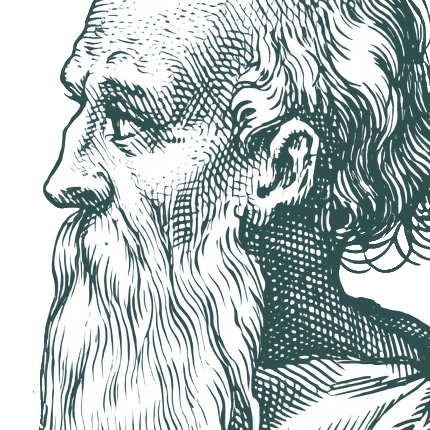
Epictetus (c. 55 – c. 135 AD), born a slave, was a Greek Stoic philosopher. His words were recorded by his student Arrian in the Discourses and Enchiridion written in the early 2nd-century.
Biography information from
Wikiquote·
Portrait adapted from
Wikimedia Commons, Theodoor Galle (Public domain / CC0)
Also Known As
Native Name:
ΕΠΙΚΤΗΤΟΣ
Alternative Names:
Epictetus of Hierapolis
•
Epiktetos
Events do not just happen, but arrive by appointment.
So – a true philosopher is under no obligation to respect vulgar opinion as to what is religious or irreligious, what is just or unjust. What dishonour he brings on philosophers in general if he did! That’s not what you learned here.
If you are fond of a specific ceramic cup, remind yourself that it is only ceramic cups in general of which you are fond. Then, when it breaks, you will not be disturbed.