We always condemn most in others, he thought, that which we most fear in ourselves. - Robert M. Pirsig
""
We always condemn most in others, he thought, that which we most fear in ourselves.
English
Collect this quote
About
Robert M. Pirsig
Robert Maynard Pirsig (6 September 1928 – 24 April 2017) was an American philosopher and novelist, most famous for his novel Zen and the Art of Motorcycle Maintenance in which he proposed what has become known as his Metaphysics of Quality (MoQ).
Biography information from
Wikiquote·
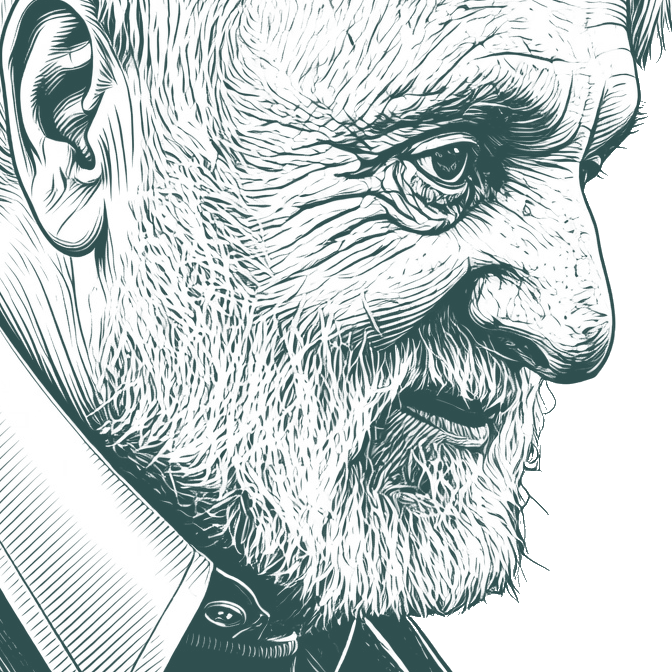
Portrait adapted from
Wikimedia Commons, Ian Glendinning, en:User:IanGlendinning (CC BY)
Also Known As
Alternative Names:
Robert Maynard Pirsig
•
Robert Pirsig
What Phædrus thought and said is significant. But no one was listening at that time and they only thought him eccentric at first, then undesirable, then slightly mad, and then genuinely insane. There seems little doubt that he was insane, but much of his writing at the time indicates that what was driving him insane was this hostile opinion of him. Unusual behavior tends to produce estrangement in others which tends to further the unusual behavior and thus the estrangement in self-stoking cycles until some sort of climax is reached. In Phædrus' case there was a court-ordered police arrest and permanent removal from society.
My favorite cure for boredom is sleep. It's very easy to get to sleep when bored and very hard to get bored after a long rest.
Dialectic, which is the parent of logic, came itself from rhetoric. Rhetoric is in turn the child of the myths and poetry of ancient Greece. That is so historically, and that is so by any application of common sense. The poetry and the myths are the response of a prehistoric people to the universe around them made on the basis of Quality. It is Quality, not dialectic, which is the generator of everything we know.