We need a home in the psychological sense as much as we need one in the physical: to compensate for a vulnerability. We need a refuge to shore up our… - Alain de Botton
""
We need a home in the psychological sense as much as we need one in the physical: to compensate for a vulnerability. We need a refuge to shore up our states of mind, because so much of the world is opposed to our allegiances. We need our rooms to align us to desirable versions of ourselves and to keep alive the important, evanescent sides of us.
Alain de Botton (born 20 December 1969) is a Swiss-born British philosopher and author. His books and television programs discuss various contemporary subjects and themes in a philosophical style, emphasizing philosophy's relevance to everyday life. De Botton comes from a Sephardic Jewish family, originating from a small Castilian town of Boton (now vanished) on the Iberian peninsula.
Biography information from
Wikiquote·
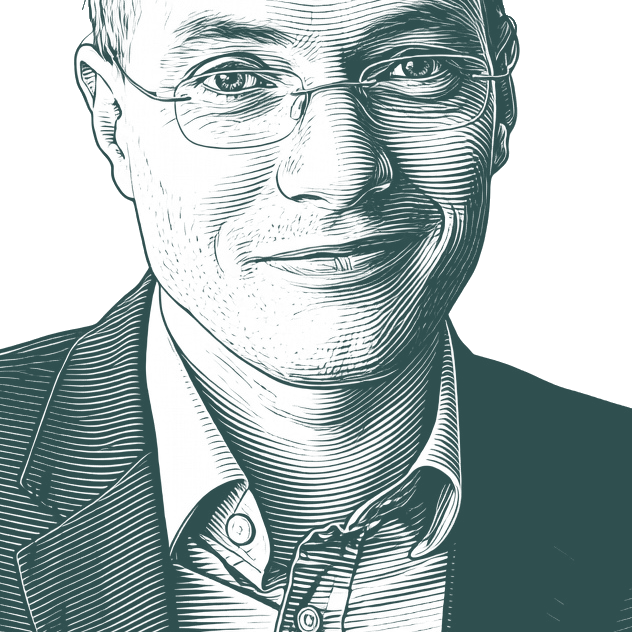
Portrait adapted from
Wikimedia Commons, Fronteiras do Pensamento (CC BY-SA)
I … thought about societies where exceptional fortunes are built up in industries with very little connection to out sincere and significant needs, industries where it is difficult to escape from the disparity between a seriousness of means and a triviality of ends.
Our sense of identity is held captive by the judgements of those we live among.
Unlimited Quote Collections
Organize your favorite quotes without limits. Create themed collections for every occasion with Premium.
There are few things humans are more dedicated to than unhappiness. Had we been placed on earth by a malign creator for the exclusive purpose of suffering, we would have good reason to congratulate ourselves on our enthusiastic response to the task. Reasons to be inconsolable abound: the frailty of our bodies, the fickleness of love, the insincerities of social life, the compromises of friendship, the deadening effects of habit. In the face of such persistent ills, we might naturally expect that no event would be awaited with greater anticipation than the moment of our own extinction.