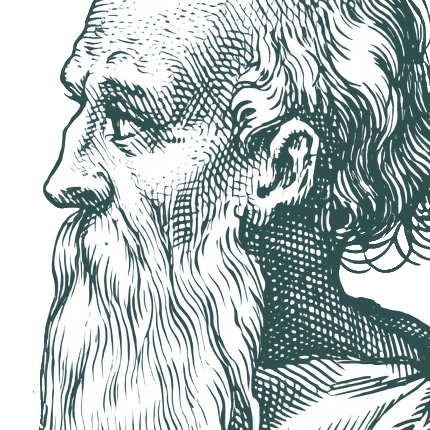
Epictetus (c. 55 – c. 135 AD), born a slave, was a Greek Stoic philosopher. His words were recorded by his student Arrian in the Discourses and Enchiridion written in the early 2nd-century.
Biography information from
Wikiquote·
Portrait adapted from
Wikimedia Commons, Theodoor Galle (Public domain / CC0)
Also Known As
Native Name:
ΕΠΙΚΤΗΤΟΣ
Alternative Names:
Epictetus of Hierapolis
•
Epiktetos
There are three things in which a man ought to exercise himself who would be wise and good. The first concerns the desires and the aversions, that a man may not fail to get what he desires, and that he may not fall into that which he does not desire. The second concerns the movements towards an object and the movements from an object, and generally in doing what a man ought to do, that he may act according to order, to reason, and not carelessly. The third thing concerns freedom from deception and rashness in judgment, and generally it concerns the assents.
From Epictetus's discourse on what a man making progress should train in, and that we neglect the chief things (Discourses III.2), recorded by his student Arrian.
What upsets people is not things themselves but their judgments about the things. For example, death is nothing dreadful (or else it would have appeared dreadful to Socrates), but instead the judgment about death that it is dreadful — that is what is dreadful. So when we are thwarted or upset or distressed, let us never blame someone else but rather ourselves, that is, our own judgments. An uneducated person accuses others when he is doing badly; a partly educated person accuses himself, an educated person accuses neither someone else nor himself.
PREMIUM FEATURE
Advanced Search Filters
Filter search results by source, date, and more with our premium search tools.