secondly, what the nature of God is. Whatever that nature is discovered to be, the man who would please and obey Him must strive with all his might t… - Epictetus
""
secondly, what the nature of God is. Whatever that nature is discovered to be, the man who would please and obey Him must strive with all his might to be made like unto him. If the Divine is faithful, he also must be faithful; if free, he also must be free; if beneficent, he also must be beneficent; if magnanimous, he also must be magnanimous. Thus as an imitator of God must he follow Him in every deed and word.
Epictetus (c. 55 – c. 135 AD), born a slave, was a Greek Stoic philosopher. His words were recorded by his student Arrian in the Discourses and Enchiridion written in the early 2nd-century.
Biography information from
Wikiquote·
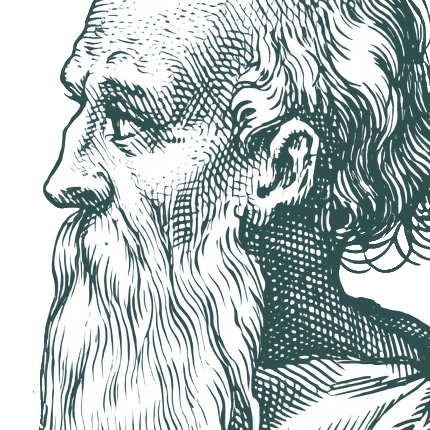
Portrait adapted from
Wikimedia Commons, Theodoor Galle (Public domain / CC0)
Also Known As
Native Name:
ΕΠΙΚΤΗΤΟΣ
Alternative Names:
Epictetus of Hierapolis
•
Epiktetos
Related quotes. More quotes will automatically load as you scroll down, or you can use the load more buttons.
Shorter versions of this quote
If the Divine is faithful, he also must be faithful; if free, he also must be free; if beneficent, he also must be beneficent; if magnanimous, he also must be magnanimous. Thus as an imitator of God must he follow Him in every deed and word.
From Epictetus's discourse On Cleanliness (Discourses IV.11), addressed to a young man drawn to physical beauty; recorded by his student Arrian.
When you do anything from a clear judgment that it ought to be done, never shun the being seen to do it, even though the world should make a wrong supposition about it; for, if you don’t act right, shun the action itself; but, if you do, why are you afraid of those who censure you wrongly?