It is possible to learn the will of nature from the things in which we do not differ from each other. For example, when someone else's little slave b… - Epictetus
""
It is possible to learn the will of nature from the things in which we do not differ from each other. For example, when someone else's little slave boy breaks his cup we are ready to say, “It's one of those things that just happen.” Certainly, then, when your own cup is broken you should be just the way you were when the other person's was broken. Transfer the same idea to larger matters. Someone else's child is dead, or his wife. There is no one would not say, “It's the lot of a human being.” But when one's own dies, immediately it is, “Alas! Poor me!” But we should have remembered how we feel when we hear of the same thing about others.
English
Collect this quote
About
Epictetus
Epictetus (c. 55 – c. 135 AD), born a slave, was a Greek Stoic philosopher. His words were recorded by his student Arrian in the Discourses and Enchiridion written in the early 2nd-century.
Biography information from
Wikiquote·
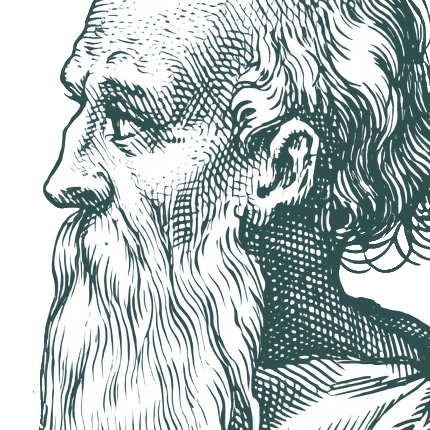
Portrait adapted from
Wikimedia Commons, Theodoor Galle (Public domain / CC0)
Also Known As
Native Name:
ΕΠΙΚΤΗΤΟΣ
Alternative Names:
Epictetus of Hierapolis
•
Epiktetos
"Above all, remember that the door stands open. Be not more fearful than children; but as they, when they weary of the game, cry, "I will play no more," even so, when thou art in the like case, cry, "I will play no more" and depart. But if thou stayest, make no lamentation."
Whenever you do something you have decided ought to be done, never try to avoid being seen doing it, even if people in general may disapprove of it. If, of course, your action is wrong, just don't do it at all; but if it's right, why be afraid of people whose criticism is off the mark?
PREMIUM FEATURE
Advanced Search Filters
Filter search results by source, date, and more with our premium search tools.